
Ego is a self-learning system
Contents
- 1 Training the Ego
- 1.1 Introduction
- 1.2 Access for Children
- 1.3 Course Structure
- 1.4 The Idea
- 1.5 Safety First
- 1.6 Course Modules
- 1.6.1 One: What is the ego?
- 1.6.2 Two: The Need to be Mindful
- 1.6.3 Three: Tracking how you feel
- 1.6.4 Four: Setting Good Habits
- 1.6.5 Five: Thinking with Intention
- 1.6.6 Six: Safety
- 1.6.7 Seven: Self-Care
- 1.6.8 Eight: Training your Ego
- 1.6.9 Nine: Caring for Yourself
- 1.6.10 Ten: Breathing for Life
- 1.6.11 Eleven: Affirmation Log
- 1.6.12 Twelve: Boundaries
- 1.6.13 Thirteen: Avoiding Self-Limiting Beliefs
- 1.6.14 Fourteen: Assumptions as Facts
- 1.6.15 Fifteen: Self-Reflection for the Win
- 1.6.16 Lesson Sixteen: Working with Ego
- 1.6.17 Lesson Seventeen: What is the Self?
- 1.6.18 Lesson Eighteen: Applying Understanding
- 1.6.19 Lesson Nineteen: Setting up you Happy Place.
- 1.6.20 Assessing Your Current Coping Patterns
- 1.6.21 Improving Patterns for Faster Processing
- 1.6.22 What Faster Processing Feels Like
- 1.7 Working with ego – Starting to be Mindful
- 1.8 Making Your Happy Place Even Safer
- 1.9 The Need to Engage in the Now Moment
- 1.10 Resetting Coping Patterns with Happy Place Visits
- 1.11
- 1.12 Living in the Now
- 1.13 Adaptive Coping
- 1.14 Benefits of Positivity
- 1.15 Gratitude
- 1.16 Making Your Happy Place Even Happier with Gratitude
- 1.17 Positive Affirmations
- 1.18 Behaviourism and Programming Yourself Happy
- 1.19 Working with Ego – Full Mindfulness
- 1.20 Ego and Labels
- 1.21 The Need for Regular Self-Reflection
- 1.22
- 1.23 Recurring Negative Thoughts
- 1.24 Intuitive Healing Journeys through Meditation
- 1.25 More insight on Recurring Negative Thoughts
- 1.26 A note on False Memories
Training the Ego
A guide to beginning the journey of self understanding.
Introduction
Welcome to Training the Ego. This is your simple guide to understanding and becoming the person you want to be – your authentic, true and best self. We’ve tried to make it simple, so that anyone can read and understand it, yet the concepts here are incredibly powerful. And if used correctly, can lead an individual to true self-mastery where they have complete understanding of self in all its guises.
Access for Children
We think that children as young as ten should be able to understand this course, albeit, some with parental supervision. However, we want this course to be able to be taught by parents to children as young as 8. We think that it is vital that as many children as possible understand how to protect and develop their authentic and unique individual self.
What I suggest is that you read it one section at a time, and afterwards spend time thinking about what you have learnt and how it applies to you. Take each lesson slowly, and give yourself time to digest that new information.
Course Structure
Each lesson includes the lesson itself, a lesson affirmation. plus optional notes and links for further reading. The notes are for readers who want to gain a better, more detailed understanding.
Pre-Lesson Video: To get you in the mood for learning, we have a short video for you to watch. It should only be a minute or two, and could be anything, to get you in the mood.
Lesson: The lesson itself is short, plain language, with some repetition for emphasis. Each lesson tends to build on the previous lessons, to help you develop a good and deep understanding of yourself, and how you are, with every lesson, regaining self-control, trust, and ultimately, mastery. I try to lighten the load, with the odd little poem.
Lesson Affirmation: Following the lesson, I like to spent a moment to fix my mind on my intention to embody the information I have learnt and understood.
Lesson Video: Finally, to end the lesson, there is a five minute relaxation video. It is optional, but is my way of trying to force you to slow down, and take a break between lessons. This is very important, but if you have access to some green space. ten minutes spent there is far better than any video, usually.
Lesson Additional Notes: If you want to deepen your understanding of the topic of the lesson, most lessons have additional notes that delves deeper into the subject..
Further Reading: This is usually a long list of link to articles and source material, should you wish to dive even deeper.
The Idea
The idea with our courses, and this website, is that it is an entry point to everything you will ever need to know about self-mastery, in one place: An entry point that encourages you to compare and contrast ideas, for free, and without anyone telling you, just who you should be: A helpful guide as to good ways of thinking, and not something that tries to tell you what to think:
Your are unique and individual, no-one knows you, like you do.
Each lesson is designed to be short, and to be completed within 20 minutes. The lesson ends with the lessons suggested affirmation. The intention is that these affirmations will turn from future wishes into current abilities as the course progresses. We will track these as we follow the course.
The lessons are laid out in our suggested order. However, there is no issue in changing that order, should you wish. Please bear in mind, though, that later modules build on ideas presented in earlier modules.
Safety First
The course has, very much, a safety-first structure. The reader will be taught how to create and maintain boundaries, and ways of thinking that best allow them to deal with the real world, which minimising the impact of challenges, in a way that protects their wellbeing, and also, equally importantly their authenticity.
This first modules tend to focus on learning these self-care and supportive tools. We also lay the groundwork to allow the individual to work with their ego, to allow it to protect that individual, while maintaining their authenticity.
We suggest that you take at least a 10 minute break after each module. Do not worry if you forget stuff. This information will naturally sink in. Don’t push yourself. You will be ok!
Course Modules
One: What is the ego?
This is lesson one of our self-discovery course; Training the Ego. In this lesson we ask: What is the Ego?
Two: The Need to be Mindful
This is the second lesson of our course, Training the Ego. Here we introduce the reasons why we need to be mindful, and be kind to you and your ego.
Three: Tracking how you feel
This is lesson three or our life skills course, Training the Ego. This lesson covers the need to track how we feel about ourselves, through journals and creative activity.
Four: Setting Good Habits
This is lesson four of our self development course, Training the Ego. This module introduced good and bad habits.
Five: Thinking with Intention
This is lesson five of our self-mastery course, Training the Ego. In this module, we look at Intentional Thinking and Self-Doubt.
Six: Safety
This is lesson six of our self-mastery course, Training the Ego. In this lesson we look at keeping yourself mentally safe.
Seven: Self-Care
This is lesson seven of our self-mastery course, Training the Ego. In this module, we will look at self-care needs, including joy and gratitude.
Eight: Training your Ego
This is lesson eight of our self-mastery course, Training the Ego. In this lesson, we begin to explore how to work with your ego.
Nine: Caring for Yourself
This is lesson nine of or self-mastery course, Training the Ego. In this module we look at starting out in the practice on self-care.
Ten: Breathing for Life
This is lesson ten of our self-mastery course, Training the Ego. In this module we look at asymmetric breathing techniques and stress management.
Eleven: Affirmation Log
This is lesson eleven of our self-mastery course, Training the Ego. This module introduces progress tracking via a wishes and affirmations log.
Twelve: Boundaries
This is Lesson twelve of our self-mastery course, Training the Ego. In this module, we look at setting and maintaining boundaries.
Thirteen: Avoiding Self-Limiting Beliefs
Self-limiting beliefs are thoughts you repeatedly tell yourself that gradually become so ingrained they shape your behaviour and expectations – often acting as self-fulfilling prophecies. In this lesson, we understand how to avoid self-limiting beliefs.
Fourteen: Assumptions as Facts
An assumption is a belief you accept as true without actually having proof or evidence for it. In this module, we will be looking at assumptions, and the dangers of assumed facts.
Fifteen: Self-Reflection for the Win
This lesson explains the practice of self-reflection, it’s benefits, and how it is done.
Lesson Sixteen: Working with Ego
This is lesson sixteen of our self-mastery course, Training the Ego. In this model, we begin looking into techniques to quieten the mind.
Lesson Seventeen: What is the Self?
In lesson 17 we look at the various ideas related to a persons concept of themselves, including the notion of a false self, and a true self.
Lesson Eighteen: Applying Understanding
In this Lesson, we look at how love, and empathy, cannot occur, without the application of understanding, without curiosity and honour.
Lesson Nineteen: Setting up you Happy Place.
In this Lesson, we look at how visualisation and meditation techniques can be used to create an “inner happy place”.
Taking control of your coping responses means noticing how you handle stress and making it quicker and easier over time. Coping patterns are the habits your mind and body use when things feel tough, like getting tense or snapping at someone. By checking and tweaking these patterns, you speed up how fast you process stress, so you stay calm instead of overwhelmed.
Assessing Your Current Coping Patterns
Start by watching yourself in real life to see your “coping load” – how much effort it takes to deal with stress.
Compare places: Spend time in a busy town and rate your stress from 1 (calm) to 10 (very stressed). Note what your body does: fast heart, tight chest, racing thoughts?
Switch to nature: Go to a park or quiet spot and rate again. Feel how much lighter you are? Less coping needed means lower load.
Track on the return: Walk back to town and spot triggers – loud cars, crowds, bright lights? Jot down what spikes your stress and how you react (e.g., tense shoulders, grumpy mood).
Do this a few times to spot patterns, like “Crowds always load me up fast.”
Improving Patterns for Faster Processing
Once you know your patterns, tweak them to handle stress quicker:
Spot and pause: When a trigger hits, stop for 3 seconds. Breathe deep: in through nose, out through mouth.
Swap reactions: Instead of old habits like worrying, try a new one – go to your happy place or say “I can handle this.”
Build speed with practice: Repeat the town-nature trip weekly. Aim to notice triggers sooner and calm faster each time.
Add tools: Use boundaries (“I step away now”) or positive talk (“This is just noise, not danger”). Test in small doses.
What Faster Processing Feels Like
With practice, stress hits but passes quicker – like a wave that doesn’t knock you over. You think clearer, react calmer, and recover in minutes, not hours. Town feels less draining, life more steady. This control turns coping into a strength, keeping you thriving.
Working with ego – Starting to be Mindful
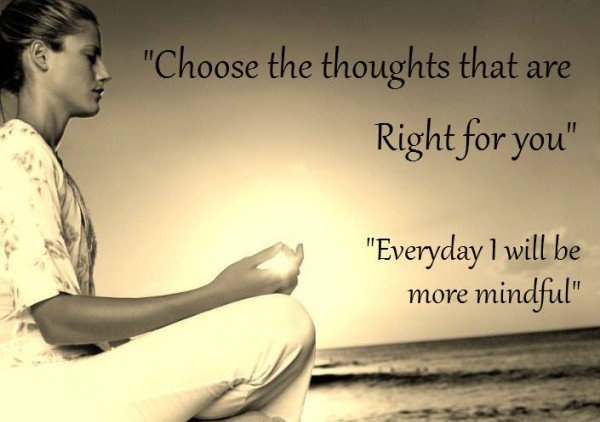
Mindfulness is the process of anticipating and choosing the right thoughts for you. A great many thoughts and ways of thinking that we have, are learnt from others unwittingly. Many of these can cause us to think or behave in ways which afterwards we decide are undesirable and regret.
Some of those thoughts are particularly strong and recurring, these are thoughts that often trigger unwanted feelings such as fear, anxiety, sadness and a lack of confidence and positive feelings towards self.
The process of being mindful is another case of needing to gently work with ego, as it is difficult to do at first, and needs practice, together with the understanding that every day you should seek to be more and more mindful. Rapid success is not common, and you should know that this is something that you will take small baby-steps towards the goal of continuous mindfulness over quite some time.
This is a commitment to yourself, it should be a commitment that you will hold, for the rest of your life!
It is also important to realise, that some of these thoughts, may not be possible to counteract with mindfulness alone; These are thoughts that are triggered from deeper subconscious processes that I will discuss later.
Ring-fencing Thoughts
Being mindful of these thoughts, will help you understand them and ego will help you by allowing you to “ring-fence” them: You will learn to anticipate them and automatically avoid bringing them to mind by distraction or simply moving into no-think.
However, it is also important to realise that these thoughts are seeking expression as part of the minds self-healing process, and if you continue to suppress them, they will grow stronger or will find some other route for expression. So keep in mind that you will need the determination, to fully explore those thoughts in future, when it is more appropriate. This will actually help them be more controllable as you move forward on your healing journey.
Once you are able to quieten your mind, you will automatically be more aware of what thoughts ego is presenting to you. An important part of learning to be mindful is that you should try to keep your mind clear of cluttered thoughts that are too complex or chaotic to be able to deal with.
Listening to yourself
A large part of mindfulness in the beginning is simply listening to oneself: becoming more and more aware of your own thought processes. You will find that increasingly, thoughts can be anticipated, and that prior to the thought actually presenting itself in your mind there is a pre- thought stage which is more about feeling the type of thought that is going to come.
Mindfulness is all about working with these pre-thoughts: at that point your thoughts are not strong and can be changed or avoided, but in the early stages of mindfulness it may seem almost impossible to do that; the time between the pre-thought and the thought is so short, and your conscious attention to “catch” that pre-thought, needs to be very alert.
Seeing Patterns
You will find, though, that as you continue to monitor these pre-thoughts and their subsequent thoughts you will start to see patterns in the anticipatory feelings that they inspire and it is these patterns that you will come to use in order to manipulate your own thought flow. You will be able to distinguish just by the initial feeling of the thought what type of thought it is going to be.
So, this is the first stage of mindfulness, simply taking care as you study your own thoughts and analysing what you detect, learning about how you think and seeing that there is a structure to the way that your thoughts come to you.
Making Your Happy Place Even Safer
You can make your happy place super safe by adding a simple tapping routine, like in Emotional Freedom Techniques (EFT). This uses gentle taps on your body points while thinking good thoughts, helping calm your mind fast without words. It’s like a binary key – on to enter your safe spot, off to return – strengthening the door to your inner peace.
What Is Intentional Thinking?
Intentional thinking means choosing a clear, positive goal on purpose before you start, like setting a direction for your mind. Instead of letting thoughts wander, you decide: “Today, I intend to feel calm and strong.” This focuses your energy, making your safe place visit more powerful and real, like aiming a torch into the dark.
Steps to Tap Your Way In and Out
Set your intention: Sit quiet, close eyes, and say inside: “I intend to visit my safe place to feel peace and recharge.”
Tap in (20 taps): Use two fingers to tap gently on spots like side of hand, top of head, or collarbone – about once per second to a steady beat. Repeat softly: “20 taps on my good spot to take me to my super lovely, super safe place.” Feel yourself slipping in deeper with each tap.
Enjoy your safe place: Stay 2-5 minutes, breathing slow, soaking up the calm.
Tap out (20 taps): Tap the same spots, saying: “20 taps back to my in-the-moment, now state.” Open eyes, feeling grounded and fresh.
Tap Variations with Mantras
Try these to mix it up and make it yours:
- Calm boost: Tap eyebrow point while thinking: “I release worry, I welcome peace.”
- Strength builder: Tap under eye: “I am safe, I am strong, right here.”
- Gratitude entry: Side of hand: “Thank you for this safe haven, I intend joy.”
- Quick return: Collarbone: “Back to now, clear and ready.”
Practice daily – it turns your safe place into a fortress, blending tapping’s calm with your intention for faster stress relief and deeper harmony.
The Need to Engage in the Now Moment
Engaging in the now moment means putting all your attention on what is happening right here, right this second – the feel of your chair, the sound of your breath, or the taste of your tea. This keeps you grounded and calm, like standing steady on solid earth instead of being swept away by thoughts. Staying present helps your body and mind work better together, reducing stress and boosting joy.
How Coping Techniques, Worry, Rumination, and Catastrophising Push You Out
Too many coping tricks – like jumping to your happy place every few minutes or tapping non-stop – can pull you away from the now, turning your mind into a busy workshop instead of a quiet garden. Worry means chewing over “what ifs” about the future, like fearing a fall before you even step out. Rumination is replaying past hurts over and over, trapped in old arguments in your head. Catastrophising blows small problems into disasters, seeing a headache as the end of everything. These habits steal your present moment, leaving you tired and on edge.
What to Do to Stay in the Now
Notice and name: When your mind wanders to worry or rumination, gently say “That’s future talk” or “That’s old stuff” and bring focus back to now – feel your feet on the floor.
Use one breath anchor: Breathe in for 4 counts, out for 4. Do it once or twice only, not as a long routine, to reset without leaving the moment.
Five senses check: Quickly name one thing you see, hear, feel, smell, taste. This snaps you back to right here.
Limit tools: Save happy place or tapping for real overload moments, not every twinge. Let simple presence handle most days, if you can. But remember, these are suggestions, not orders, do your own thing, always.
Daily now walks: Stroll slowly, noticing steps, wind, birds – no phone, no planning, just being.
Practice these lightly, and the now becomes your natural home, freeing you from mental traps for clearer, happier living.
Resetting Coping Patterns with Happy Place Visits
Visiting your happy place during nature time or quiet downtime acts like a gentle reset button for overloaded coping patterns – those tense habits that kick in under stress. When your mind is full of worry or reactions from a busy day, slipping into your safe spot unloads that weight, clearing space so you return to the now moment calmer and stronger, ready to stay present longer.
How It Works in Nature or Downtime
Nature’s peace or downtime already lowers your stress, making it the perfect time to visit your happy place – the combo washes away stuck coping like rinsing mud off boots. Picture this: you’re in a park (nature), feeling town stress linger; close your eyes, tap in briefly to your sunny meadow (happy place). The vivid calm overwrites frazzled patterns – tight chest loosens, racing thoughts slow – so when you open your eyes, the world feels fresh, not threatening.
Steps to Reset and Return Stronger
Pick the moment: In nature (park bench) or downtime (after lunch), notice if coping feels heavy – shoulders up? Mind spinning?
Quick visit: Set intention (“Reset to calm”), tap in for 1-2 minutes: see your spot, breathe its peace, feel it replace stress.
Tap out gentle: 10 taps back to now, blending happy place calm with real surroundings – birdsong meets your inner meadow.
Anchor in the “now”: Open eyes, name three nature things (green leaves, cool breeze, earthy smell) to lock in the reset.
Benefits for Staying in the Now
This resets coping faster than fighting thoughts alone, training your mind to drop overload and stay present without effort. You handle triggers better – crowds feel less loaded – and linger in the now for hours, not minutes. Downtime visits build this habit, turning every reset into deeper harmony.

Living in the Now
An awful lot of people concern themselves far too much with the future or the past. Dwelling on these things often lead to anxiety or self-blame as one looks at past “mistakes” or future challenges in a negative light. Such thoughts are almost always undesirable and my advice is to avoid such thoughts whenever possible. These thoughts add to genuine pain, with the suffering of constant anxiety over things that may never happen, but have significant impact on our health, non the less.
Do not cling to the Past or Dwell in the “Dark” Future Too Much
Yes, we should learn the lessons of the past, but we should remember that the past does not define or determine how we might respond today. A person living in the “Now” is informed by past experience, but does think “I always do that”, rather they think:
“This is a fresh situation facing me, I will choose to do what is best for me, I will dare to be different, I am a different person now, I have learnt and I move on”.
Similarly, it is not advisable to think too much about the future. Of course, we should have future plans and hopes but spending too much time dwelling on the future, positive or negative means that we are actually building within ourselves a predilection for how we will behave in future, if we constantly worry about possible negative-outcomes we create within ourselves a propensity to move towards that outcome.
In addition, if we constantly dwell in a positive future possibility then we limiting the possibilities of our future by over-defining our expectations. We are also creating opportunities for disappointment when our idealised view of the positive future does not materialise.
And so, we have to be very careful to try to concentrate on the “Now”, and to take time to savour and enjoy simply being in this present moment.
Adaptive Coping
Adaptive coping means handling life’s ups and downs by thinking clearly in the moment, rather than sticking to fixed rules or habits that don’t always fit. It keeps you flexible, like a tree bending in the wind instead of snapping. This way, you respond to each situation fresh, using your calm mind to choose the best path without old patterns holding you back.
How Coping Causes Rigidity in Behaviour
Fixed coping – like always saying no to crowds or jumping to your happy place every time – can make you stiff in talks or daily life. You might snap at friends out of habit, avoid shops because “they overload me,” or treat everyone the same way, missing their good sides. This rigidity blocks real connections with people and society, turning you into a robot following scripts instead of a person flowing with what happens. Over time, it drains joy, as nothing feels new or easy.
Finding a Logic/Rational Thought Flow for Any Situation
Build an “in-the-moment” thinking chain that adapts to whatever comes up, cutting the need for rigid tools. Start with these simple steps to create a flexible flow:
Pause and check: When stress hits, stop for one breath. Ask: “What’s real here now? What do I need most?”
Weigh options quick: Think: “Fight, flee, or flow? Boundaries help? Or listen first?” Pick what fits this second.
Test and tweak: Act small – say half a boundary if full feels too much. Notice what works, drop what doesn’t.
Link to now senses: Ground in sights/sounds: “Feet on ground, breath steady – I choose calm response.”
End with reset: After, note: “That worked because…” to sharpen your flow for next time.
Practice on small things, like a chat with a neighbour, until it feels natural.
Benefits of Adaptive Flow
This rational chain speeds decisions, fits any spot – work, family, street – without overload. You stay open, connect deeper, and ditch heavy coping packs. Life feels lighter, responses sharper, harmony stronger in every moment.
Benefits of Positivity
Positivity brings real good to your life by lifting your mood, strengthening your body, and helping you handle tough days better. When you focus on good things like a sunny walk or a kind word, your mind releases happy chemicals that ease pain, improve sleep, and even boost your defences against illness. It opens doors to better chats with friends and quicker bounces back from knocks, making every day feel lighter and more hopeful.
Problems of Forced False Positivity
Pushing a fake sunny view that pretends bad things don’t exist – like saying “Everything’s fine” when you’re hurting – creates big trouble. It ignores real pains, building pressure inside until you explode or feel numb and lost. This biased blindness stops you fixing problems, like skipping a doctor’s visit because “I’m positive,” and leaves you out of touch with your true feelings, weakening your trust in yourself.
Maintaining Balance: True Positivity
Balance means welcoming both good and tough parts, like sunlight and shade in a garden. Acknowledge hurts honestly – “This aches, but I can manage” – then add positives like “I’ve got friends who care.” This honest mix keeps you grounded, strong, and real.
Ways to Keep Positivity Balanced
- Name both sides: Say out loud, “Today hurts here, but I’m grateful for this good bit.”
- Limit fake cheer: If upset, feel it first, then shift to one real positive – no rush.
- Check your whole self: Ask, “Does this feel true to my body and heart?” Adjust if forced.
- Daily mix practice: List three goods and one tough thing – see them side by side without hiding.
True positivity with balance nurtures your full self for steady joy that lasts.
Gratitude
A good way to help you line in the now, is to practice gratitude. For example, take yourself out into nature, and really concentrate, purely on appreciating the beauty around you. Also, developing an appreciation of art, architecture or other beautiful things. These are accessible and simple ways of focussing on the moment, and I’d recommend you make a point of spending a part of every day being grateful for what you are seeing right now, to the exclusion of all other thoughts.
Again, it’s a practice that can take some conscious effort, but its highly recommended and once developed can give valuable respite from the challenges of the day.
Making Your Happy Place Even Happier with Gratitude
Adding gratitude to your happy place turns it from a calm room into a glowing, joyful one that lifts your spirits every visit. Gratitude means noticing and thanking for good things, big or small, which floods your mind with warmth and makes the space feel richer. Entering with this mindset makes your safe spot a fountain of happiness, pulling you back stronger each time.
How to Enter and Find Gratitude There
Slip into your happy place as usual – tap in with intention: “I enter to feel grateful and full.” Once inside, let gratitude bloom by imagining specific things to appreciate right in your spot. This imaginative thinking paints vivid pictures of thanks, making peace deeper and longer-lasting.
Imaginative Steps to Appreciate in Your Happy Place
Spot the gifts: Look around your meadow or beach – thank the soft grass underfoot: “I’m grateful for this comfy ground holding me steady.”
Feel the warmth: Imagine a gentle sun or fire: “Thank you for this cosy glow chasing away my chills.”
Hear the joy: Tune to birds or waves: “Grateful for these sweet sounds reminding me life’s alive.”
Taste and smell delight: Picture a fresh fruit or flower: “Thank you for this sweet taste/scent filling me with pleasure.”
Embrace the whole: Hug yourself there: “Grateful for my safe body and quiet mind, right here.”
Stay 2-3 minutes whispering or thinking these thanks – feel your heart smile.
Why This Boosts Happiness
Gratitude rewires your visits, so even tough days end with uplift. Your happy place becomes a gratitude garden, growing contentment that spills into real life for easier now moments and stronger calm.
Positive Affirmations
Whilst I advise avoiding dwelling too much in the future, there is one aspect of future projection that is positive and should be encouraged. This is the positive self-affirmation.
Many people who look into training their ego, realise that they have unwittingly programmed their ego to be negative and critical of self, and that this is undesirable since it makes the individual unhappy and less able to step into the future with a positive outlook.
Positive self-affirmations are a way of correcting this negative behaviour by programming into ego your future truth of self. We are all wonderful beings, without exception. We struggle to see this because of the weight of the negative programming that we have absorbed and therefore what is needed is for us to remove the negative self-imagery using mindfulness and also reinforce the positive self-imagery using positive affirmations.
Some good self-affirmations are as follows:
- Everything I touch is a success
- I am courageous and I stand up for myself.
- I radiate beauty, charm, and grace.
- My life is just beginning.
- My nature is Divine; I am a spiritual being.
- I am a powerhouse; I am indestructible
- I am always guided and protected
- I wake up today with strength in my heart and clarity in my mind.
- I am at peace with all that has happened, is happening, and will happen.
- My thoughts are filled with positivity and my life is plentiful with prosperity.
- I have been given endless talents which I begin to utilize today
Other affirmations can be found online, most people find that if they choose to regularly give themselves positive-affirmations they feel an awful lot better about themselves after a few weeks.
Positive self-affirmations can be used as an internal chant, or mantra, that can defeat or distract persistent negative thoughts.
Behaviourism and Programming Yourself Happy
Behaviourism is the idea that repeating actions shapes how we act and feel, like training a dog with treats – do it enough, and it sticks. Here, repeating visits to your happy place, tapping, or gratitude thoughts programs your mind for calm and joy, step by step. Repetition is the best way to change old grumpy habits into happy ones, making good feelings automatic over time.
Why Repetition Works – But Only If True to Self
This self-programming is great because it builds strength through practice, like walking daily to get fitter. But it only helps if the behaviours match your true inner self – that whole you of body, feelings, and deep wishes. Fake or forced repeats, like smiling when you’re sad inside, can backfire, making you feel hollow or more upset later.
Being Mindful of Consequences
Watch what you teach yourself by asking: “Does this feel right deep down, or just a quick fix?” Bad repeats might teach avoidance, like hiding in your happy place too much, leaving real life undone. Good ones build real skills, like calm that helps you face friends. Check consequences: Does it leave you lighter or drained? Freer or stuck?
Checking Alignment with Your Whole Self
Before repeating a behaviour, pause and tune in:
- Body check: Does your chest feel open, or tight? Energy up, or low?
- Feelings scan: Warm joy, or fake cheer? Peaceful strength, or numb quiet?
- Inner voice listen: Ask your true self, “Do I need this? Does it fit my wishes?” Wait for a yes that feels solid.
- Test small: Try once, notice the afterglow – thriving whole self says yes with ease and smile.
Alignment of these repeated reinforcements to your full organismic self, and programming turns habits into true harmony.
 Working with Ego – Full Mindfulness
As you work towards quieting the mind and increasingly study your thought processes, you will find that you will automatically start to become fully mindful and will begin to work with ego in the way I am about to suggest:
- Ego presents to you thought options, and it does that in a way that is in accordance with thoughts and actions that you have previously found acceptable. So, the more you train ego to reflect positive aspects of self, the fewer negative thoughts you will get.
- For every thought that ego suggests there is a pre-thought that is presented and it is at this stage that you get to choose whether or not that thought is acceptable and this is the time to modify or reject that thought.
There is also the case where you are uncertain about the pre-thought and choose to allow the thought in order to see where it leads. Another tool of mindfulness is the knowledge that you can regulate the thought as it comes; you can have the thought present itself slowly, bit by bit so you can more easily understand it and determine if it is suitable for you.
Knowing Self
This is another aspect of learning about self; thoughts that you are unsure of can be allowed but contained by you choosing to let it flow in a controlled manner.
This allows you to get to know how the pre-thought feels for that type of thought without fully taking that thought on board.
In fact, you will see that being mindful is a way of stepping back from your thoughts and taking control of how you respond to them. Some thoughts can be very destructive and without being able to step back from them, we can find ourselves overly affected by them, and thrown into excessive emotional and intellectual responses.
Taking Control
Ego presents the pre-thought, you choose to modify it, and ego learns. This is the simple truth of full ego management. It does not mean that all negative thoughts will be removed, for as I have said there are other subconscious processes that produce such thoughts, however without mindfulness it is extremely difficult to move to a state of mind where these can be explored and healed.
Therefore, full mindfulness is not the complete answer, to the task of moving towards a totally positive and loving self-image, but it is a fundamental tool that you need in order to progress towards that, and in many cases developing full mindfulness will take you a significant part of the way on that journey.
It is worth remembering that much of the work of a mindful person is about reprogramming. That often the thoughts one wishes to modify only come when we find ourselves in specific circumstances and often it is necessary to put ourselves deliberately into that type of situation in order to assess our thoughts and modify them.
Also, ego may take its time learning the “new you”, you may have to re-visit some thought processes a few times in order for ego to finally get the message, so repetitive lessons are often needed and you should expect to see previously rejected or modified thoughts re-occur. This can be disheartening if you are not expecting it, but do not give up; perseverance is definitely the order of the day.
Fortunately, although you will see these re-occurrences, you will also find that each time it is easier to deal with them. It seems that part of the process involves repetition in order to deeply learn the self that you are becoming.
Self-Labelling
Another aspect of the way ego works is in the label that we perceive ourselves as having at the time of the thought. Ego will collect behavioural examples, from others, and will tag them with labels.
For example, the response suggestions that the ego draws upon, are different when a person moves from being single to being married, or part of a couple. This means that those response memories may not have been worked through at all, and you can easily find yourself in a place where you feel you have to start all over again.
My advice is to take care which labels you adopt, and if you adopt a new label, take care to be extra mindful of it.
Like all aspects of ego management, being fully mindful takes time and perseverance, but the concepts are easy to understand and actually, ego will help you get there by listening to your positive intentions and learning from your decisions regarding your thoughts and feelings.
 Ego and Labels
Ego works in a similar way with our memories of interaction as Internet search engines do, with tags: web pages are tagged with a group of labels that make it easier to seek out common information based on looking up those labels.
The major difference, is that with one’s ego, this labelling is an automatic subconscious process that we are not normally aware of, and this means that we can be caught out by the response suggestions ego presents to us. This is often due to it seeing the situation from a perspective of the labels it decides apply to that specific situation. We often think of these labels, not as names, but as symbols and patterns.
For example, a person driving a car is accessing a major label category of “self”, and a subcategory of “driving” as well as others. This means that the ego will find it quicker and easier to access and suggest thought/action responses that are under that category, than it would for responses suitable to categories it does not consider to apply to the current situation. These. we can consider, to have been loaded into the minds equivalent of computer cache memory.
Masks
This is part of the reason why we sometimes find it more difficult to remember things in some situations than it does for others. However, it also means, that we are able to move through life wearing “masks” that are suitable for any given situation, and is a useful aspect of the way ego works.
From the perspective of a mindful person who is trying to establish a consistent and positive concept of self within ego, it can present problems: They may not aware of the labels that ego is applying at any given moment, and also, when the labels that drive our responses to transition from one label to another.
Regular Tentative Attention Wins the Day
This is the reason why it can take quite some time to fully train ego; in order to address the thought responses triggered by the label you need to put yourself into that situation and it will take quite some time to have experienced all of the likely label configurations that life will present to you.
If you think about the various labels that can be applied to self at any given moment, then you begin to appreciate the size of the problem: numerous labels can apply as we transition from being at home, alone, with others, driving, being at work, happy, interested, visiting other locations etc.
At any one time a large number of labels will constitute the available set of ego response suggestions and I like to call the totality of this at any given time the “mask” that we wear in order to deal with the situation. We often call these labels, which relate to thoughts and techniques that allow a person to function netter, coping techniques.
There are also two types of masks – new and established masks; there is the situation where we find ourselves wearing a new mask, for example in the first weeks of starting a new job, and there are also the established masks; where we have been in the job for a long time for example.
Retaining Authenticity
Having a new mask is a potentially dangerous time from the perspective of a mindful person, seeking to retain their authenticity. This is because it means ego may well find options that have never been worked on from a mindful perspective. This means that the individual may run the risk of finding themselves behaving in ways that they had not planned and are not conducive to their sense of their authentic self. An individual having behaved in such a way, will need to avoid falling into the trap of grasping for justifications for those actions and instead undergo a thorough self-examination.
Much of this can be avoided by internal role-play, where potential situations that we may come across are imagined and the suitable response determined. In this way we can pre-program our ego with other response options rather than simply having to rely on what has been observed of others or learnt in other ways.
Humility and Patience
It helps to adopt a humble view also; knowing that we are not perfect and that such experiences are there to help us on our path towards the ideal, best-self that is desired.
When we find ourselves wearing a long-established mask there can also be issues, these come down to two distinct areas.
The first, is that long established masks tend to limit the range of expression that the individual can have; once you have mindfully established your boundaries for expression within a particular situational role. It is therefore, important that you challenge these regularly and also discard old responses that no longer suit.
The second issue caused by wearing an established mask is similar in that we have created established models of interaction with others and often it is these other people that limit our growth in that situation due to their ego seeking to maintain its concept of you. In other words, you may find yourself changing due to your own mindful practices, but others around you will be unable to deal with that changing image of self and they will unconsciously and consciously seek to restrict your behaviour to within parameters that they have deemed to be fundamental to you. This is often referred to as people-policing.
Boundaries and Authenticity
This can be cause of friction between friends and colleagues and needs careful management by you being understanding that they do not share your own inner vision and is best handled by seeking to make gradual changes to the boundaries that others impose on you.
The key aspect here, is that we seek authenticity in everything we do, and this means whichever label we are wearing at any given time, needs to reflect our true-self, to its maximum extent. Eventually, we should be able to discard our masks, and fully expose the authentic self at all times. But as I see it, what we are really doing is programming all of our masks to be authentic to self, and so we benefit from the ego’s ability to respond to situations quicker than if we had to think about it each time, but with the benefit of that response being true-to-self, because it is the true-self that has programmed the ego.
The Need for Regular Self-Reflection
Regular self-reflection means taking quiet time each day or week to look inside yourself, like checking a garden for weeds and flowers. It helps you spot what feels good or off, understand your feelings better, and make smart changes. Without it, old hurts or confusions pile up, blocking your path to calm and strength – reflection clears the way for your whole self to heal and grow.
How Reflection Heals Through Simple Practices
These easy ways turn thoughts into healing actions, letting your body, mind, and heart work together to mend naturally.
Journaling for Clear Thoughts
Grab a notebook and write freely for 5-10 minutes: “What felt heavy today? What brought a smile?” No rules – scribble it out. This spills worries onto paper, lightening your head and showing patterns, like “I get tense with crowds.” Over time, your self heals by seeing truths and choosing better paths.
Speaking Truth to Trusted Listeners
Find one or two people who listen without jumping in or judging – friends or family who nod and say “I hear you.” Share honestly: “This upset me because…” Their calm ear makes your words real, easing the knot inside. It heals by feeling seen, building trust in yourself and others without shame.
Creative Expression from Reflections
Use your thoughts to make something fun – draw a picture of your happy place, hum a tune about your day, or shape clay into how you feel. No skill needed; let hands move freely. This pours healing energy out, turning pain into beauty and freeing stuck feelings so your whole self breathes easier.
Regular reflection with these tools mends your inner organism step by step, fostering deeper peace and self-kindness that lasts.

Recurring Negative Thoughts
Once you have worked at being mindful for some time, you will become aware that there are some thoughts and feelings that you struggle to eradicate. These include anger, fear, depression, hate and various other negative thoughts and emotions that you would rather be free from. Note; these emotions are sometimes entirely positive, what I’m talking about here are often called “triggers”. Where we indulge in unwanted self-destructive behaviours due to certain external or internal inputs, and those behaviours are not true-to-self desires.
This is because many of us have subconscious problems that need to be addressed but as I have said, prior to being able to work with these it is important to clear the mind of its clutter in order to be able to focus on these deeper issues.
For a large number of people, these issues stem from past hurts that left deep emotional scars that come to the surface through these thoughts and feelings.
Because we are all individual, there are numerous ways that these problems can be dealt with and my aim here is to give an understanding of the mechanics of how this process works so that you can better understand exactly what is happening.
Childhood Trauma
For a large number of people, most emotional scars happen during childhood. You do not need to have had a particularly traumatic childhood in order to pick up these scars, it seems, that as children we are particularly sensitive and vulnerable to criticism and abusive behaviour and our tendency is to unconsciously blame ourselves for the hurt inflicted on us by others.
It is typical for many children having been attacked or told off for their behaviour (self-expression), to reject that aspect of self in order to prevent that expression from being the cause of such pain in future. The more traumatic the childhood, the more times this process occurs, sometimes until the child finds themselves in later life feeling emotionally numb, lacking in emotional responses, and feeling less of a person because of it. This means, that for many of us, our authentic expression of our true self was suppressed with violence, and as a result our self-concept, became limited, distorted, and dissociated.
The overall process seems to be that issues caused during childhood will resurface later in life and present themselves as specific negative and often obsessive thoughts, these include self-harm, suicidal ideation, depression, irrational fears and a range of other negative issues.
Sometimes, these rejected thought-forms present themselves as characters with voices, rarely, they can present as completely different people speaking to the individual in thought.
It is as if the child stores away problems so that later, when older and more mature they can
be dealt with.
The Need to Express
We are often taught to simply supress these feelings and yet we are compelled by their nature to express them, and if we do suppress them then they either grow stronger or come out in different more complex ways that can be more difficult to deal with. Obviously, these behaviours can be very self-destructive and control is required, but it should be noted that they won’t go away until they have been dealt with them one way or the other. Medication often suppresses them, which allows them to deteriorate, getting worse, often overcoming the medication, in the long-term.
When a child rejects an aspect of self, it is often an emotional aspect that is cut off and suppressed by ego, which seeks to ensure the child’s happiness by removing the connection to that particular emotion or feeling.
The result is often twofold; the child will grow up feeling disconnected from those emotions and will also develop attachments that will either reflect a need to get that emotional support from others or an inversion of that emotion. In other words, a person lacking a loving connection with their self could either develop a need to feel that love from another, or will seek to feel hate for others, this seems to be entirely down to the individual in question and their experiences. I should emphasise that this is a very simplistic example; the reality is that we see many hurts in many ways, and these accumulate to create our own individual expression of that inner pain.
The key thing here is to realise that when we find we have these recurring negative thoughts and emotions, we are seeing a symptom of a deeper problem and the fact that we see these symptoms, is good news, as it means we have something specific to work with.
In my view all people see these hurts during childhood and most think of their adult expression as being normal, when in reality they are as disconnected from their emotions and true self as an individual who is self-harming due to the same lack of feelings.
The difference is that those people who perceive themselves as normal have developed an ego based false-self that is successful in hiding these problems from self and therefore, counter-intuitively, it is those people who are having these negative recurring thoughts and emotions that are closer to their own true recovery. Being able to successfully hide from a problem means the individual is not acting true-to-self, and therefore is not healed and whole.
So, if you are suffering from these thoughts, remember that these are clues to knowing self and that also, you should know by now, that the ego will help you repair that past hurt by making the hurt obvious, by way of these symptoms, and by helping to bring about the situation whereby you can heal those hurts. For hurts caused by childhood, the way to healing them is to remember the expression of self that was rejected and to arrive at an authentic and safe expression of that original hurt.
Now that you understand how to work with your ego, it is time to also start working with intuition in order to allow yourself to heal.
Intuitive Healing Journeys through Meditation
An important skill to develop is to be able to go on an intuitive healing journey whilst meditating. A common issue people face are fears that prevent or interfere with their true expression of self. An example I was recently giving advice about, was the case of a person who had an irrational fear of driving, and she was wondering how she could overcome that fear, so I suggested a healing journey.
Remember the resonance of the trigger to be worked on
The first thing to do, is to put yourself into a situation where the fear is resonating within you. This is so you can bring to mind your inner feelings about the issue. You put yourself in proximity to the trigger, just close enough to allow you to access it’s “internal signature”, so later, in meditation you can bring that signature to mind and work with it. This temporary exposure to the trigger, is purely so you can “feel” it.
The aim of the healing journey is to intuitively locate the source of the fear and to try to resolve that issue. Resolution may not happen in a single journey as these journeys are gentle bouts of self-exploration and the cause of the issue is often uncovered little by little, rather like peeling the skins of an onion.
Also, a fear may have multiple causes, so stick with it and try to use intuition to know the right time to journey again. Have patience and be gentle with yourself.
Next set an internal intention that you will be successful with your journey and ask the universe/self/ego/intuition to help you on your journey in order for you to gain a better understanding of the issue.
 Mindfulness Meditation and Active Imagination
Take yourself to a quiet place where you will not be disturbed, away from any distractions. The whole concept with a meditation is simply to allow you to focus more clearly on this self-introspection journey. For this journey, we will carry out a mindfulness meditation, and use our active imagination to try to intuitively understand more about the issue.
In your quiet space, make yourself comfortable. The journey may last quite a bit of time, sit or lie in a comfortable position, so that you will not feel physical discomfort while on your journey. Note it is not important to adopt any special meditation position.
I usually lie down for my meditations, the only danger here is that of falling asleep while meditating, but so long as you are not too tired to begin with you should be ok.
Also note that it takes practice to get to the right relaxed state during meditation, so you may need to do this a few times in order to gain success.
Relax
Now that you are comfortable, allow yourself to relax. The aim with meditation is to try to get as relaxed as possible without falling asleep, and to empty your mind of any other thoughts, which at this point are only distractions.
Allow yourself to relax quietly for 5 to 10 minutes until you intuitively know it is the right time to begin your journey within, and then begin by asking yourself about the problem.
Listen to your intuition and try to verbalise in your mind the response and in this way establish a dialogue of self-exploration within your mind.
Often, we can verbalise half of the answer (I am triggered by X, because….”, and listen for an intuitive response, which my start off, as a very quiet, something, but, as you continue to practice, this will become clearer, and stronger.
Open to Healing
The path that this journey will take is up to you. Have no preconceptions as to how it will turn out, have a completely open mind and follow the journey that intuition sets out for you. Expect to fail, a few times, but know that every time you try, you ego, and your entire organism is trying to help you.
In my case, I usually ask to speak to the aspect of self that is causing that fear/thought etc., to come forward an speak. I ask why I’m getting that thought?, and what can be done to help myself so that future responses are in line with true-self. But, I’ve had many years practice at this, for the beginner, it is more likely to be an intuitive, non-verbal feeling that comes forth initially.
Working with Intuition
Continuing to work with that intuition, often makes the connection stronger, until you are able to have an internal discussion.
Sometimes intuition will take you on another journey to that which you were expecting, do not dismiss this, the chances are that the journey is needed prior to venturing into the problem at hand. Let yourself be guided, by your organism. Your brain is much more powerful that you know, it has millions of years of tried and test responses in your DNA, all we are doing here, is allowing you to help yourself.
A journey can be short or long, normally inexperienced people journey for shorter periods. Try to take note of every thought that you have, sometimes even apparently distractive thoughts are important.
The more you listen to self, the more successful you will be in your journeys.
Remember, use mindfulness so that you are not judging or responding to the thoughts you are getting. The goal here is to end up in a loving, integrated relationship with the aspect of self that was once rejected. Initially they may say some harmful things, they may seem frightening or overwhelming. Be firm with your aim of loving reintegration. Also, be patient, you will probably not solve everything at once. But know this: The key to loving self, is knowing self. Any and all information you glean from your journey is actually going to have some healing effect. You just need to give this aspect of self, sufficient caring attention, so that a bond of trust can be re-established.
More insight on Recurring Negative Thoughts
There can be many sources of repeating negative thoughts, the type I would like to discuss here are those that seem to have their own life and are brought about by severe breakdowns in a person’s character, often these seem to be another person talking to you but within your own head, I group this kind of repetitive negative thought, into what I call externalised projections of self.
They can also be a more basic obsessional thought flow, usually very negative; hatred of others and or of self, intense depressive thoughts, they can cause dramatic mood swings and often seem to pester the individual to distraction.
Sometimes these thought patterns announce themselves, telling the individual to kill themselves or other people, and badgering incessantly if they fail to comply.
At other times, these voices can be subtle, and only come to light when a person discovers them, as they work through their own mindful practices; As the mind becomes clear of ego chatter it becomes increasingly clear that some negative thoughts cannot simply be re-learnt or un-learnt and as the mind clears these thoughts become the dominant source of self-negative internal expression.
As the individual works on them, rather than fading away, they become stronger, more obsessive and as I say, sometimes taking on a life of their own.
Harmful Thinking
These thoughts tend to be amongst the most harmful of thought processes, they can lead to a person harming self, others, behaving erratically, violently or being extremely depressed or anxious, they can lead to panic attacks and all manner of problems.
I should also say that early life trauma is not the only source of these negative thought processes, there is also a class of issue that is caused by what I call inherited karma which is actually based on the proposition that issues that were caused due to trauma in our genetic past, which can come back to haunt the individual, by causing them to lean towards those negative behavioural responses. Even if they consider themselves to have had a wonderful childhood, they can still come up against these issues. I will talk about inherited karma in the next module.
I have discussed previously the concept that rejections of self can turn into negative thought processes; early life trauma can cause an individual to suppress an aspect of self and this aspect can invert to become a negative set of thought processes.
These thoughts can run deeper than I have previously explained, they can develop into their own negative character and can present themselves to the individual as a hateful aspect of self, or even a part of the mind that is not recognised as self at all.
Anyone faced with these issues needs to investigate self in a systematic way. Clearing the mind to leave the persistent negative thoughts is the first step, we are now interrogating those persistent thoughts with a view to ascertaining if they are the result of deeper self-trauma. Later I will discuss yet deeper causes of these issues; the onion needs to be peeled one layer at a time.
“In the Room” Advice
Dealing with these deeply negative thoughts can be very difficult, my first suggestion is that you seek professional advice.
In my view, the best way to re-invert these negative aspects into their original positive traits, is to give them expression, and often that expression can be dangerous and certainly not for public consumption. It is also very troubling and even tiring for the individual concerned and therefore finding the right professional healer will allow that expression to be contained within a safe structure.
This course will deal with such issues in much more depth in the next module, I mention them now, because awareness of them, is the first defence. Everything we have done up to now, has cleared the mind sufficiently to have them in focus, if they are there. The next module will show how to make these internal enemies, the opposite; internal supporters and cheerleaders.
The Shamanic View
A shaman faced with a person with such issues would say they are dealing with a fractured soul and indeed this term is a useful way of looking at it, since you can think of it as the past trauma as fracturing the mind/soul and creating several disparate entities within the mind. At this stage they have been brought to light, through our mindful practices. Separated from the core-self these aspects have taken on their own personalities or have become very strong thought patterns which have developed separately and unknown to the individual concerned until later in life when they have become apparent.
As I see it, there are two major tasks that need to be completed (1) heal the individual fracture, and (2) re-consolidate the whole. The process is sometimes known as a soul retrieval.
So, an individual may not be dealing with a single negative thought form, they may be dealing with several, and each needs to be healed before the whole can be reconsolidated.
These can be very scary times for the individual seeking to heal self, and I would emphasise again the value of seeking the right kind of professional help. You need to go somewhere that you will be safe in order to allow these healing thoughts to express themselves. The object is not to allow them to damage you or anyone else, but to slowly gain an expression that appeases the drama. A professional can help this happen, in a safe environment, and without running risks of self-injury.
Dramas
I’ve just mentioned the term “Drama”, this is exactly what a lot of these thought patterns present to you, an internal drama, which has a potential positive outcome and also a potential negative one. In my experience the negative side is brought about by trying to repress and suppress the drama that is being presented. Finding a way to safely give it expression, tends to diffuse it and allows the individual to come to terms with the thought form.
Dramas figure a lot in many quests for true self. When we go on meditative journey’s we are playing out a drama, of sorts, and many people find that dramas feature highly in their search for self-knowledge and self-healing.
There will be negative dramas and positive dramas; aspects of self will want to kill you and to have you kill yourself or others or similar. Such dramatic plots will spring to mind, the trick is to be able to explore them without buying into them – to get to the bottom of the reason why this aspect wishes the self to destruct and to instead, engineer the salvation of self. The aim is to put into effect. life changes that cause these negative thought-form intelligences to buy into the idea of trying to create a new you, one that will have a positive life and be true to the totality of self.
Each step of the way it is a drama that is playing out; self-testing-self with the highest of stakes but have confidence, this is a healing journey. Yes, it can be frightening and risky but the odds are loaded in your favour, you simply need to be true to self and to hold unconditional love in your heart and you will get through.
A note on False Memories
One of the strange aspects of healing at this level is that some of the memories of trauma that are brought to light during these sessions of self-exploration can be false, so it is important to realise that often it is the emotional expression that is important, not necessarily the actual content. In other words, a “pre-thought” summary may indicate that overwhelming memories are about to come to mind.
However, when actually viewed, those memories are actually a very large number of separate microaggresive events, each of which, when replayed, are actually something we might regard as “normal”. The summary prepared us for the worst, the delivery was therefore more manageable. But just that first preview, may have been enough to put us in an unnecessary panic.
It seems that sometimes our past traumas have resonance with traumas of other’s lives and they can get mixed up. This can be very confusing for the individual concerned and often people find themselves accusing people from their childhood of crimes that did not actually happen. We are now starting to understand that it is caused by our own misunderstanding of the brains natural interface, which is largely symbolic, having originated from pre-verbal, pre-literate organismic memories and functions. These vital inherited traits, functions and reflexes protect us, but we need to map those responses onto out modern environmental challenges. Not that of those cavemen that originally adopted and adapted them.
Expression of Traumatic Memories
Some understanding is required here, this is simply a process that brings a person to the right expression of emotional pain, sometimes the details are critically important but sometimes they are less so, it is like ego creates a drama that allows the individual to be authentic and sincere, to allow the right expression to take place.
Once that expression is over then it is important a forgive all involved and move on, there is no good in dwelling on bad behaviour of others, this is their problem, no longer yours.
There is also the case where the thought-form of self is too ashamed to tell the truth first time of asking. So, it can make up a tale which gives justification to their action, and saves face. Often it takes several attempts of self-introspection to get to the actual truth, as the trust bond between you and your thought-form develops.



0 Comments