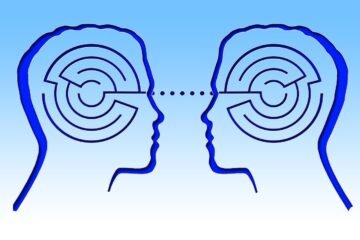
In this lesson, we will start to build your inner safe-house, your Happy Place. So lets watch a relaxing video, and clear our head, before continuing.
What is a Happy Place?
Your happy place is like a secret inner room – a cosy bolt-hole inside your mind where you feel totally safe, calm, and joyful. It’s the most lovely spot you can imagine, so lovely that thinking of it pulls you back there time and again, like coming home. With practice, just the thought of it becomes second nature, your go-to chill spot whenever life feels tough.
Why It Works and How to Start
This inner place grows strong because you visit it often, making it your favourite safe haven. Music can whisk you there fast – pick a tune that feels warm and peaceful, like a gentle song from your past. Imagination does the heavy lifting: picture every detail until it feels real. Borrow ideas from anywhere – a sunny beach you loved, a quiet garden, or even a made-up meadow with soft grass and birds singing.
Steps to Create and Use Your Happy Place
Pick your spot: Close your eyes and imagine the perfect place. Is it a sunny beach with waves lapping? A forest glade with butterflies? A comfy armchair by a fire? Make it yours – add smells like fresh flowers, sounds like rustling leaves, or feelings like warm sun on your skin.
Add the details: Fill it with what makes you smile. A favourite chair, your best pet, tasty treats on a table. See the colours, hear the quiet, feel the peace.
Link it to music: Choose one song that matches – play it while imagining, so the tune becomes your quick ticket there. Hum it anytime to slip back in.
Visit daily: Spend 5 minutes a day there. Breathe slow and deep: in for 4, hold for 4, out for 4. Say to yourself, “This is my happy place – I am safe here.”
Use it in tough times: When upset, think “happy place” and go there. Let it wash away stress like a cool shower.
What It Feels Like When It’s Set
Soon, your happy place feels more real than the room you’re in. Tension melts, your shoulders drop, a smile creeps in. It’s your fortified inner home – always waiting, always perfect. Keep returning, and it becomes your natural chill zone, stronger with every visit.
Happy Place as Mindful Meditation Starter
Setting up your happy place is a perfect, easy way to begin imaginative mindful meditation because it uses your own happy thoughts to quiet your mind and bring calm without any fancy rules or hard work. Mindful meditation means paying full attention to the present moment in a gentle way, and imagining your safe spot trains your brain to do just that – focus on peaceful pictures inside your head instead of worries.
How It Introduces Imaginative Meditation
Your happy place builds imagination skills step by step: you picture colours, sounds, and feelings so clearly that they feel real, which is the heart of guided imagery meditation. It teaches you to steer your thoughts on purpose, like a gentle captain of your mind, making it simpler to sit still and breathe without your mind wandering off to troubles. Over time, this practice grows your ability to meditate deeply, turning a quick chill spot into longer sessions of true inner peace.
Steps to Turn It Into Meditation Practice
Start short: Sit comfy, close eyes, go to your happy place for 2-3 minutes. Notice your breath as you imagine.
Add mindfulness: While there, watch your thoughts like clouds passing – let them go and return to your spot.
Build time: Add a minute each day, aiming for 10 minutes. Use your special music to guide you deeper.
Feel the shift: Soon, your body relaxes fully, mind quiets, and you feel present – that’s meditation working.
This gentle start makes meditation fun and doable, not scary, helping you thrive with a calmer mind every day.
Lesson Affirmation
Affirm to yourself, that you give confidence in yourself, to create this happy place. Know that it will come in being, and that you just need to allow it to happen.
Two major theories help explain why a “happy place” (or “safe place”) exercise works as a mental shelter in toxic environments: guided imagery / mental simulation and emotion regulation within CBT‑style models.
Guided imagery and mental simulation
Guided imagery theory holds that vividly imagining a scene activates many of the same brain systems involved when you are actually in that situation.
Experimental and clinical work on positive and “safe place” imagery shows that when people picture a calm, secure environment in detail (sights, sounds, touch, etc.), their body responds with reduced arousal: slower heart rate, lower muscle tension, and decreased subjective anxiety.
Studies using “inner safe place” imagery with highly stressed groups (for example, traumatized refugees) report improvements in sleep, concentration, tension, and mood, suggesting that the brain is treating these images as real enough to trigger a parasympathetic, “you are safe now” response. In short: the happy place works because imagery can simulate safety at the level of both mind and nervous system.
Emotion regulation and cognitive–behavioural theory
From a CBT perspective, the happy place is an emotion regulation and grounding strategy. Safe‑place imagery gives the person a way to (a) deliberately shift attention away from a toxic or triggering environment and (b) pair that situation with a competing internal signal of safety and comfort.
This reduces “cognitive fusion” with threat‑based thoughts and beliefs, and interrupts escalation into panic, rumination, or shutdown. In schema therapy and trauma‑focused CBT, safe‑place imagery is also used as a stabilisation tool: it builds an internal “resource state” of calm and protection that can later be linked to traumatic memories during rescripting, helping to update those memories with new feelings of safety and support.
Here the happy place is not escapism; it is a learned, internal skill for down‑regulating threat and strengthening more adaptive schemas about safety and support.