Human Thinking
What Is Intuition?
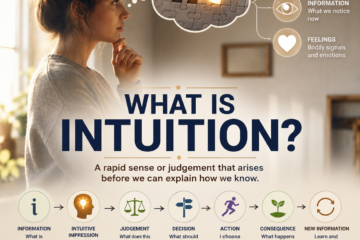
This article introduces the idea of intuition and asks if our intuition can both help and mislead us?
This article introduces the idea of intuition and asks if our intuition can both help and mislead us?
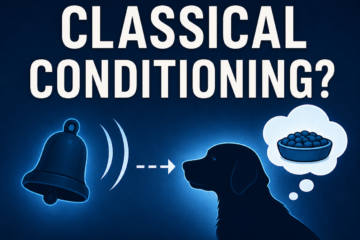
This article explains Pavlov’s Classical Conditioning, and uses his dog-training analogy to introduce the theory, before explaining the differences when applied to people.
This article introduces operant conditioning, a key part of our basic understanding of human behaviour and learning.

This article introduces defensive responses, focussing on fight, flight and freeze, as well as the underpinning psychological thinking.
Objectivity, in this landscape, usually means not a “view from nowhere,” but “as independent of any one person’s quirks as we can practically make it.”

Listening to your body means paying attention to the signals your whole organism is sending, taking them seriously, and responding in a way that keeps you healthy and steady over time

Psychological “flow states” are much easier to enter and sustain when the underlying organismic flow is relatively harmonious and supported.

The stomach is a stretchy, muscular bag in the upper part of your belly that acts as a mixing and holding tank for food.
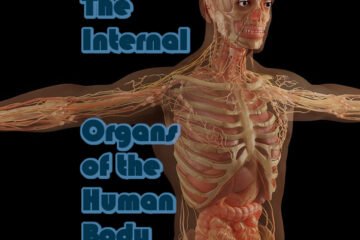
Organs are the body’s major working parts, each with a specific job that helps keep you alive. Organs often team up to form organ systems.
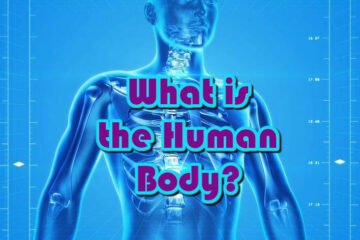
The human body is a living machine made of many parts that work together so you can move, think, and stay alive.