Contents
Human Organs
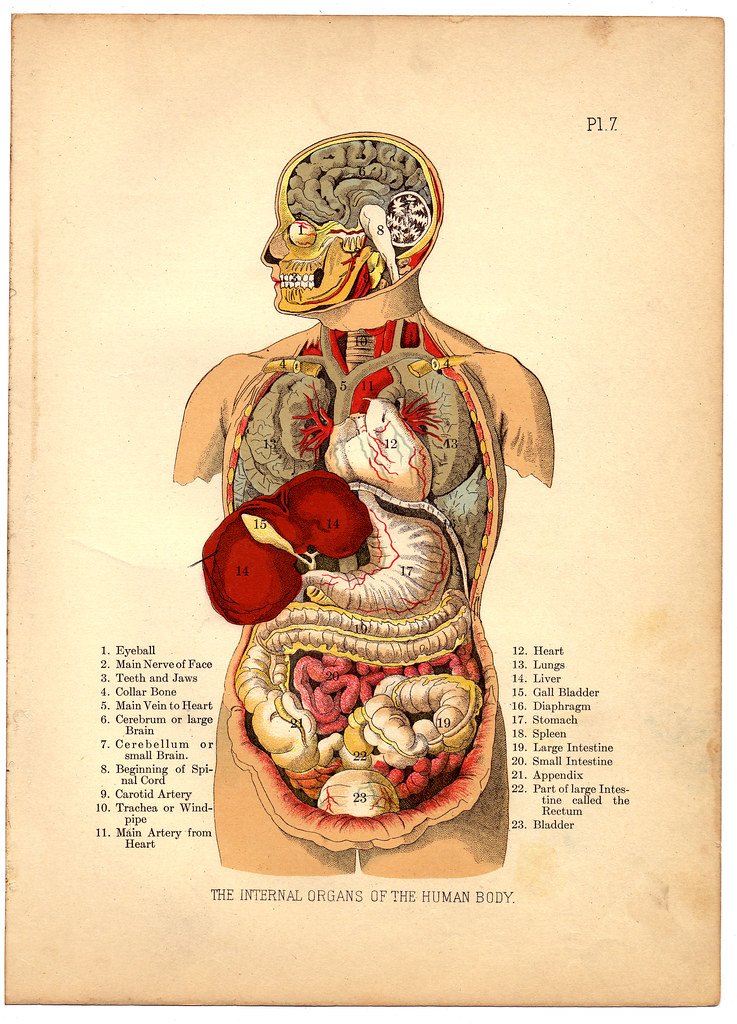
Organs are the body’s major working parts, each with a specific job that helps keep you alive. Many different organs team up to form organ systems, like the heart and blood vessels in the circulatory system.[1][3][5]
What an organ is
An organ is a structure made of different types of tissue (like muscle, nerve, and connective tissue) that work together for one main function. Examples include the heart for pumping blood and the lungs for gas exchange.[2][6][7][1]
The five vital organs
Most sources highlight five “vital” organs you cannot live without: brain, heart, lungs, liver, and kidneys. If any of these stops working completely, survival is only briefly possible without urgent medical help.[7][2]
Other important organs
Beyond the big five, many other organs do essential supporting jobs:
- Stomach and intestines break down food and absorb nutrients (digestive system).[5][2]
- Pancreas, liver, and gallbladder help digest food and manage blood sugar and fats.[2][5]
- Bladder stores urine that the kidneys have filtered from the blood.[6][2]
Organs as systems
Organs rarely work alone; they form systems that handle major tasks:
Respiratory system: nose, windpipe, and lungs bring in oxygen and remove carbon dioxide.[5][2]
Circulatory system: heart and blood vessels transport oxygen, nutrients, and waste.[1][5]
Nervous and endocrine systems: brain, nerves, and hormone-secreting glands coordinate and control other organs.[2][5]
Organ overview table
| Organ | Main job |
|---|---|
| Brain | Controls thoughts, feelings, movement, and senses |
| Heart | Pumps blood around the body all the time. |
| Lungs | Swap oxygen in and carbon dioxide out when you breathe. |
| Liver | Cleans the blood, handles nutrients, and makes important chemicals. |
| Kidneys | Filter blood to make urine and help control blood pressure. |
| Stomach | Starts breaking food into a mush your body can digest. |
| Small intestine | Absorbs most nutrients from food into the blood. |
| Large intestine | Absorbs water and forms stool. |
| Bladder | Stores urine until you go to the toilet. |
| Skin | Protects the body and helps control temperature. |
References and Further Reading