DNA as keys to Jung’s Collective Unconscious
Could we use our intuition in order to embody ancestral archetypes, using keys hidden in our DNA?
Psychological “flow states” are much easier to enter and sustain when the underlying organismic flow is relatively harmonious and supported.
Human intuition can be understood as a higher‑level, meaning‑rich readout of organismic dynamics, including interoceptive signals from the body.
The human organism informs awareness of its needs mainly through internal body signals (interoception) that the brain turns into feelings like hunger, thirst, pain, tiredness, or comfort. These “homeostatic feelings” act as messages about how the body is doing.
The human organism stays in organismic flow by constantly sensing what is going on inside and outside, comparing it to what is “safe or normal,”
Organismic flow is a way of talking about how a living organism functions as one whole, constantly changing process rather than as a collection of separate, static parts.
The stomach is a muscular, stretchy bag in the upper abdomen that serves as the body’s main “food mixer and starter digester.”
The stomach is a stretchy, muscular bag in the upper part of your belly that acts as a mixing and holding tank for food.
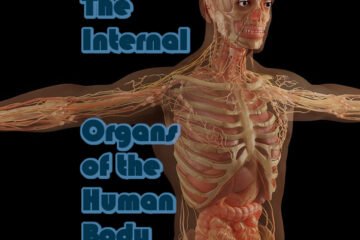
Organs are the body’s major working parts, each with a specific job that helps keep you alive. Organs often team up to form organ systems.
Meditation is a practice that involves focusing one’s attention on a single object, thought, sensation, or activity. Meditation can be classified into two main types: concentrative and mindfulness. Concentrative meditation involves narrowing one’s awareness to a specific point of focus, such as a mantra, a breath, a sound, or a visual image. Mindfulness meditation involves expanding one’s awareness to the present moment, without judging or reacting to any thoughts, feelings, or sensations that arise.