The Human Experience
What are Human Organs?
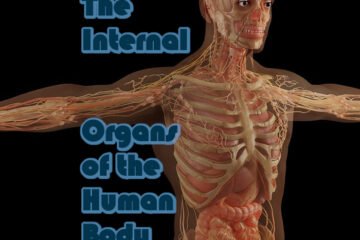
Organs are the body’s major working parts, each with a specific job that helps keep you alive. Organs often team up to form organ systems.
Organs are the body’s major working parts, each with a specific job that helps keep you alive. Organs often team up to form organ systems.
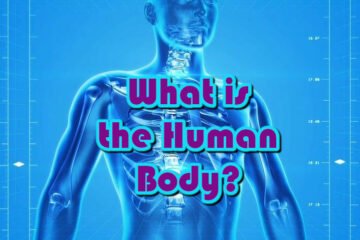
The human body is a living machine made of many parts that work together so you can move, think, and stay alive.

The human organism has built‑in “monitoring systems” that constantly check the body and signal when a primal need
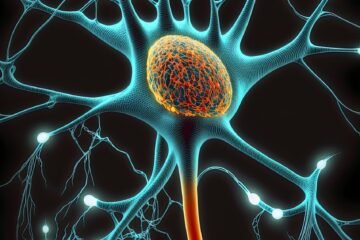
The human organism is a single living being made of body and mind working together as one whole interconnected system.

The brain is the physical organ; the mind is the set of mental processes that run on it, like software on hardware. The mind is also where a person’s sense of “me” lives, tying together memories, preferences, and personality into a feeling of being the same person over time.

The ego is the part of your mind that says “I.” It holds your picture of who you are, how you should act, and how others see you. It is not your whole self, but it has a big influence on your thoughts, feelings, and behaviour.
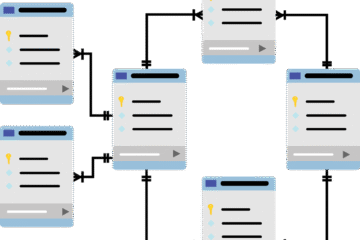
Schema theory emerged from early 20th century psychology, with foundational publications in the 1930s and formalization in the 1950s-1970s.
In the Coping Paradox, the paradox lies in the fact that coping is both necessary for resilience and, when unmanaged, a source of vulnerability.