Contents
Making
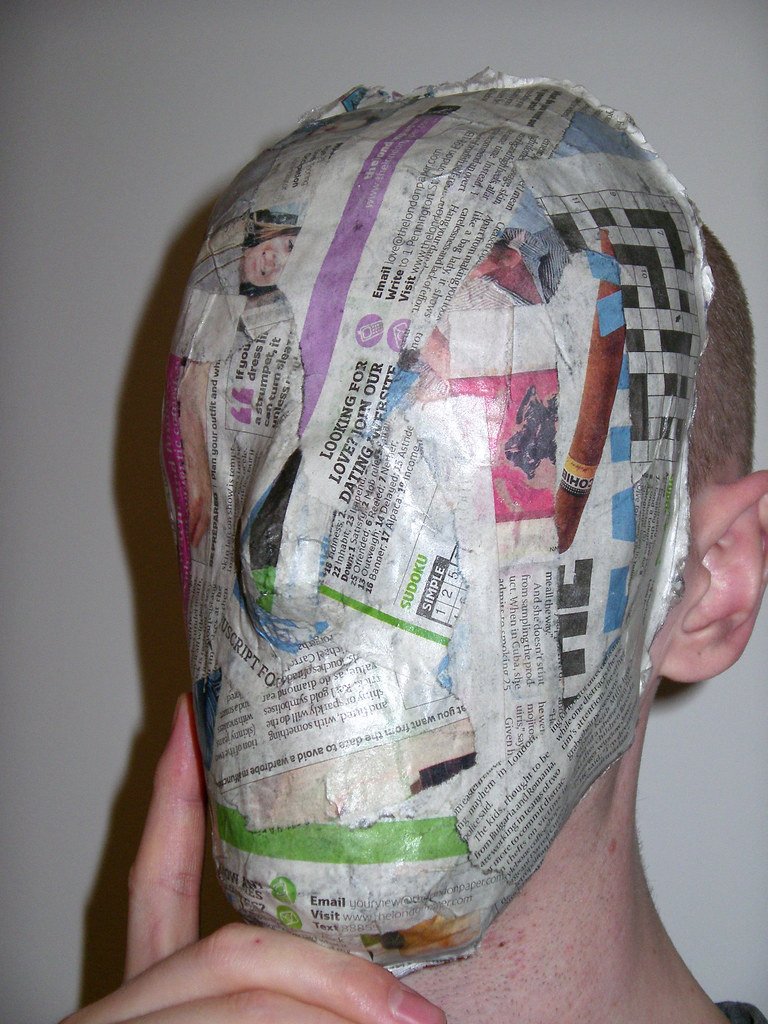
Making means bringing something into existence that was not there before. It could be a drawing, a meal, a song, a plan, a tool, or even a new habit or way of thinking. When you make, you turn ideas, feelings, or needs into real things you can see, use, or share.
What “making” is
Making is:
- Not just thinking, but doing
- Turning “I wish” into “I did”
- Using your mind, hands, and feelings together
You can make:
- Physical things (food, art, repairs, crafts, gardens)
- Mental things (stories, ideas, solutions, systems)
- Emotional things (moments of care, safe spaces, shared memories)
Making is not about being perfect or “talented.” It is about taking a step from inside you to the outside world.
Why making matters
When you make something:
- You prove to yourself that you can change the world, even in a small way.
- You move from feeling stuck to feeling active.
- You turn vague feelings into something you can understand and work with.
- You build skills, confidence, and a sense of “I can.”
Many people find that making things, like writing, drawing, or fixing things as it helps with mood, stress, and self-respect, because it gives a clear sign of progress: “This didn’t exist before. Now it does, because of me.”
How to start making
Start small: Pick something that feels simple and doable: a short note, a small sketch, a basic meal, a tiny corner you tidy or decorate.
Let it be rough: First versions don’t have to be good. Their job is to exist, not to impress. You can improve later if you want.
Use what you have: You don’t need special tools or money to make. Use paper, cheap pens, phone notes, old boxes, your voice, your body. Creativity grows from limits.
Follow your curiosity: Ask: “What do I feel like trying today?” Tearing paper into shapes, rearranging a shelf, humming a tune, building a list. If it feels alive, it counts.
Making as a way to know yourself
Making is also a form of self-reflection:
- What you choose to make shows what you care about.
- Your blocks (fear, perfectionism, “I can’t”) show where you doubt yourself.
- Your joy in certain tasks shows your natural strengths and tastes.
If you notice you never finish anything, that’s useful information. If you notice you love details, or big pictures, or colours, that’s useful too. Making turns your inner world into something you can see and learn from.
Making to support your life
You can use making in many areas:
- Mental health: writing in a journal, drawing moods, creating a “safe place” image.
- Body care: cooking simple, nourishing food, planning rest routines.
- Relationships: making small rituals, letters, or shared jokes that strengthen bonds.
- Work and study: building systems, checklists, or layouts that make tasks easier.
Each small thing you make is like a brick in the house of your life. One brick alone feels tiny; many bricks together create structure and safety.
Gentle tips for makers
- Give yourself permission to be a beginner every time.
- Praise the act of making, not just the result: “I tried. I showed up. That matters.”
- If you feel stuck, lower the bar: “What’s the tiniest thing I can make in 5 minutes?”
- Remember that making is a conversation between you and the world. It doesn’t have to please everyone; it’s allowed to please you first.
In plain terms: making is how your inside world starts to take shape outside you. It is a quiet, powerful way to build, heal, and discover who you are.