Contents
Understanding
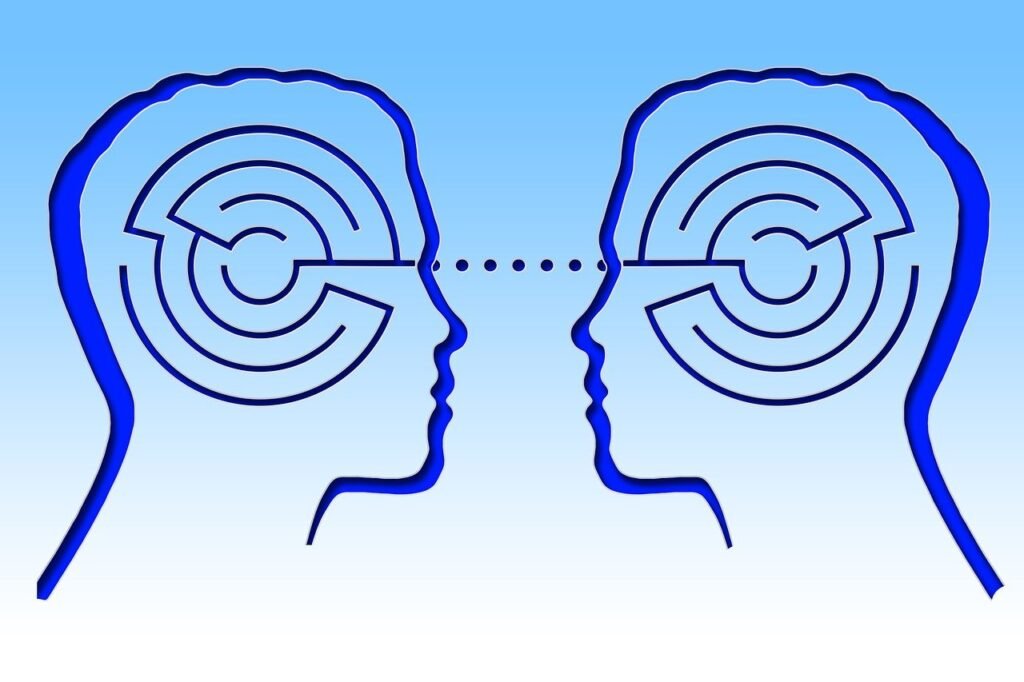
Understanding is what happens when you really take in another person’s reality – or your own, and well enough that it “clicks” inside you. It’s more than hearing words or knowing facts; it’s grasping what something means and feels like for the person involved.
What understanding is
- You know what someone is saying.
- You sense how it feels for them.
- You see why it makes sense from their point of view.
You don’t have to agree with them to understand them. You are saying, “I see how this looks and feels from where you stand.”
Why understanding is the base for love and empathy
Without understanding, empathy is shallow: You can try to “feel with” someone, but if you haven’t really listened, you’re mostly reacting to your own guess, not their truth.
Without understanding, love can be blind or controlling: You might “love” an image of someone, not their real self. Real love cares who the other person actually is and what their inner world is like. Understanding is the foundation, empathy and love are what can grow on top of that ground.
How understanding is built: listening and curiosity
Understanding does not appear by magic. It is built through:
Focused listening
- Putting your attention on the person, not on your reply or your phone.
- Hearing their words, but also noticing tone, pauses, and emotion.
- Letting them finish before you jump in.
Comprehension
- Checking you actually got what they meant.
- Saying things like, “So you’re feeling… because…” and letting them correct you.
- Asking, “Do I have that right?” instead of assuming.
Curiosity
- Gently wondering, “What is this like for you?”
- Asking open questions: “What happened next?” “How did that feel?” “What do you need?”
- Being willing to be surprised, to learn that their inner world isn’t the same as yours.
Without this kind of listening and curiosity, we stay locked inside our own stories.
The role of boundaries, honour, and respect
True understanding respects limits—for both people.
- You don’t push someone to share more than they want.
- You also don’t force yourself to listen past your own capacity.
- You can say, “I want to understand, but I’m getting overwhelmed. Can we pause and come back to this?”
- You treat their experience as real and important, even if it’s different from yours.
- You don’t use what they share against them later.
- You stay honest about your own needs and truths, rather than pretending just to keep peace.
Understanding is not “I disappear for you” or “You disappear for me.” It’s “We both matter, and we are trying to see each other clearly.”
Understanding yourself, too
Understanding isn’t only outward; you also need it inward:
- Noticing your own thoughts and feelings.
- Asking, “Why did I react like that?” instead of only judging yourself.
- Listening to your body and emotions with the same curiosity you’d give a friend.
When you understand yourself better:
- You can explain yourself more clearly to others.
- You can set better boundaries.
- Your empathy and love become cleaner and less tangled, because you’re not as lost inside.
In simple terms
Understanding is the careful work of seeing what is really there—inside you, inside another person, and between you.
It grows from:
- Focused listening
- Real comprehension
- Gentle curiosity
- Clear boundaries
- Mutual honour and respect
With that in place, empathy can be true, and love can be for the real person, not just a mask or fantasy.
Lesson Affirmation

Set a firm understanding to apply understanding to everything that you do. To make sure that you comprehend correctly what you know, that informs the daily you.
Lesson Video