Guide to Reflective Practice
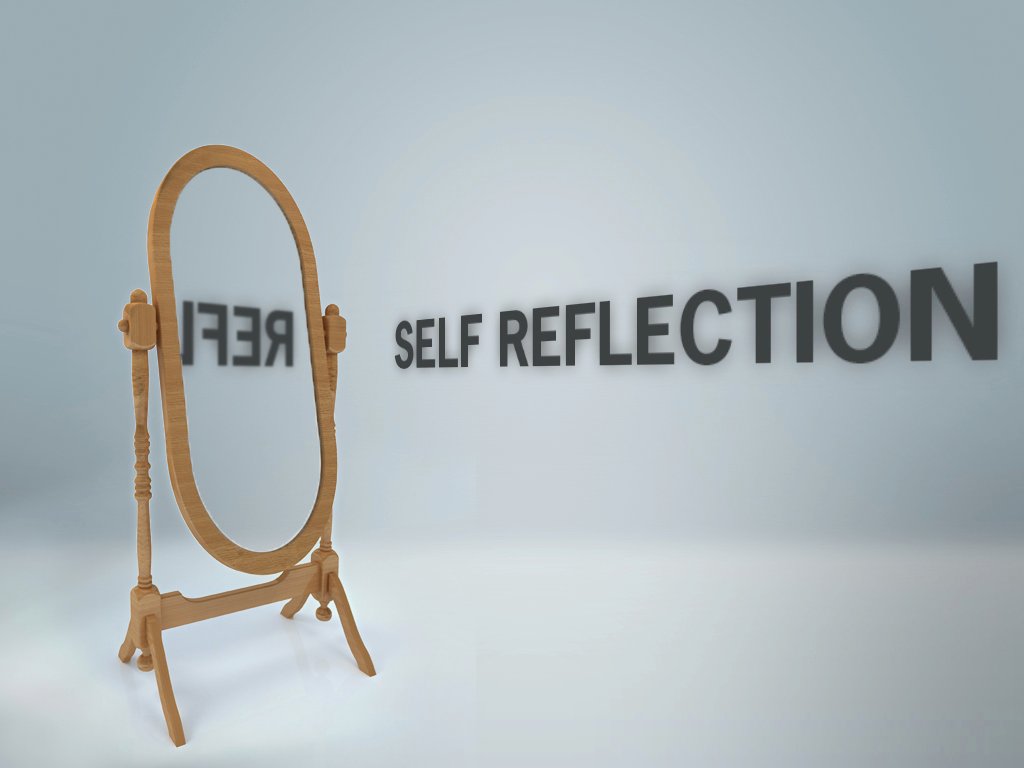
Reflective practice means taking time to look carefully at your own thoughts, feelings, and behaviour on purpose. In psychology, this links to the idea of metacognition – thinking about your own thinking. When you reflect in this way, you get to know yourself better, cope with emotions more effectively, and make more informed choices about how you live.
Why Reflection Helps You Grow
Reflective practice supports psychological development in several ways:
Better emotional awareness: When you regularly check in with your feelings, you get better at noticing what you feel and why. This is important because being able to label and understand emotions makes it easier to regulate them (a key theme in mindfulness and CBT).
Spotting patterns in thoughts and behaviour: Reflection helps you notice repeated loops like “trigger > thought > feeling > action.” Once you see these patterns, you can decide whether they are helpful or not, rather than just running on autopilot.
Clearer decisions (less impulsivity): Thinking things through slows you down just enough to use more deliberate, logical thinking instead of acting on the first impulse that pops into your mind.
Catching mistakes early: When you compare “what I meant to do” with “what I actually did,” you can see where things went off track and adjust your approach next time.
A more honest relationship with yourself: Humanistic psychologists argue that well‑being improves when your inner experience and your self‑image match more closely. Reflective practice helps you line up “who I think I am” with “what I actually feel and do.”
More autonomy and sense of agency: The more accurately you understand your motives, values, and limits, the easier it is to choose actions that genuinely fit you, rather than just going along with pressure or habit.
How Reflection Changes Your Thinking
When you reflect, you step back slightly from your inner experience instead of being completely swept up in it. You are still feeling and thinking, but you are also observing those feelings and thoughts.
This is similar to mindfulness ideas, where thoughts are seen as events in the mind, not as unquestionable truths. CBT uses a related approach: it teaches people to notice their automatic thoughts, write them down, and then question how accurate and helpful they are. Reflection breaks the habit of believing every thought just because it appeared.
Example: You notice a recurring thought: “If someone is quiet with me, it means they dislike me.” Through reflection you ask:
- What else could their silence mean (tired, stressed, distracted)?
- Do I have solid evidence they dislike me?
As you consider these alternatives, your anxiety usually eases, and your relationships can become less tense.
Unhelpful Patterns Reflection Can Interrupt
Reflective practice makes it easier to notice and change several common, unhelpful habits:
Blaming others for everything: Instead of seeing yourself as a purely passive victim, reflection helps you recognise your own role in conflicts and patterns, which is the first step toward changing them.
Repeating the same mistakes: If you never question your assumptions, you are likely to recreate the same problems again and again. Reflection invites you to ask, “What belief or expectation is driving this?”
Avoiding emotions: Pushing feelings away often makes them stronger in the long run. Reflecting on your emotions (even the uncomfortable ones) helps them move through more naturally.
Always saying “yes” and losing yourself: Without reflection, you may agree to things that clash with your values just to avoid guilt or conflict. Reflective practice helps you notice when you are overriding your own needs.
Harsh negative self‑talk: Many people have a running inner critic. Reflection helps you hear this voice more clearly and question how fair and accurate it really is.
Acting on impulse: Dual‑process theories talk about fast, automatic thinking versus slower, reflective thinking. Reflection supports the slower style when it’s needed, especially for complex or important decisions.
Holding onto resentment and rumination: When you reflect on why certain situations bother you so much, you can process the feelings instead of endlessly replaying the story in your head.
Avoiding hard truths about yourself: Growth often requires admitting things that don’t fit your old self‑image. Reflective practice is one of the main tools for facing those truths in a constructive way.
How to Practise Reflection (Step by Step)
You do not need special tools to start; you mainly need time, attention, and honesty.
Set aside quiet time: Choose a regular time (e.g., 10–20 minutes a few times a week) without distractions. This tells your mind that you are entering “reflection mode.”
Review a specific situation: Pick one event from your day: an argument, a lecture, a social interaction, or a moment of strong emotion. Then ask yourself:
- What happened, in simple factual terms?
- What did I think at the time?
- What did I feel (emotionally and physically)?
- What did I do?
Ask “why” and “what else?”
Explore questions like:
- Why did I react that way?
- What was I afraid of, or hoping for?
- What assumptions was I making?
- What else could I have done?
Look for patterns over time
When you repeat this process, start noticing similarities:
- Do the same triggers keep showing up?
- Do you have recurring beliefs about yourself (“I’m not good enough,” “People always leave”)?
- Do you respond to criticism, conflict, or uncertainty in similar ways each time?
Connect reflection to small experiments: Choose one small change to try next time (e.g., pausing before answering, asking a clarifying question, expressing a feeling calmly). Reflection is most powerful when it leads to gentle behaviour experiments, not just insight.
Be compassionate with yourself: Reflective practice is not about beating yourself up. It is about understanding yourself so you can grow. Aim for a curious, kind attitude: “Interesting that I reacted that way. What might that tell me?”
Using Other People as a “Social Mirror”
Self‑reflection does not have to be done alone in your head. Other people’s reactions can offer important clues about patterns you might miss.
- Friends, classmates, or colleagues may describe you in ways that shed light on how you come across (e.g., “You go very quiet when there’s conflict,” or “You always volunteer to help, even when you are exhausted.”).
- These comments are not always correct, but they can highlight behaviours or tendencies you were not fully aware of.
- Talking about these observations in a safe relationship or in therapy can deepen both self‑knowledge and empathy for others.
Reflective Practice as a Long‑Term Resource
Over time, reflective practice becomes like an inner toolkit you can rely on. It helps you:
- Understand your motives, fears, strengths, and limits more clearly.
- Regulate emotions better and recover from setbacks more quickly.
- Make choices that match your values, rather than just reacting or conforming.
You can think of it as building an internal “psychological infrastructure” that supports learning and growth throughout your life. It is also a way to connect theory with personal experience; turning abstract concepts like emotion regulation, cognitive biases, and identity into something you can see in your own everyday life.




0 Comments