Contents
Self-Acceptance
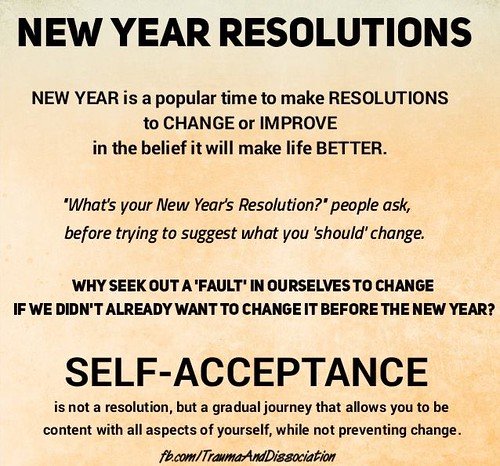
Self-acceptance is treating yourself as basically “okay as a person,” even when you see your flaws, mistakes, and limits. It is the decision to be on your own side instead of constantly attacking yourself.
What self-acceptance is
Self-acceptance means saying, “I’m not perfect, but I’m still worthy of respect, care, and kindness.”
It is an attitude that your value as a human does not vanish when you fail, feel messy, or fall short of your own standards.
What it is not
Self-acceptance is not pretending you have no problems or never need to change.
It is changing the tone from “I’m awful, so I must fix myself” to “I’m okay and imperfect; I can grow without hating myself.”
Why self-acceptance matters
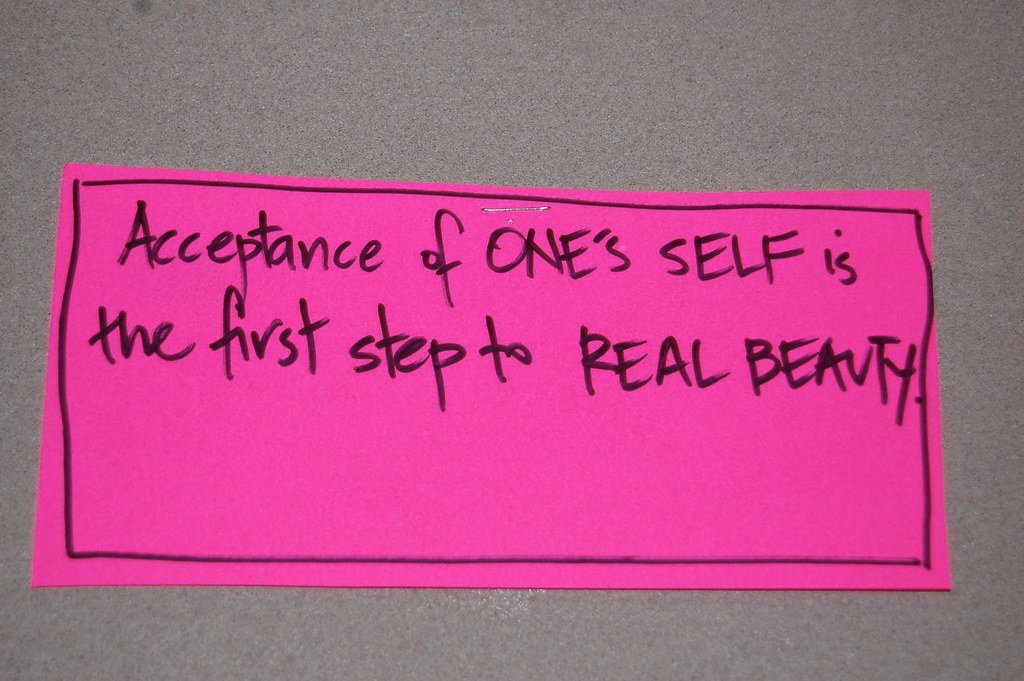
When your self-worth depends on success, approval, or always coping, life feels like a constant exam you can fail at any time.
With more self-acceptance, you can admit mistakes, hear feedback, and face hard truths without collapsing into shame or self‑loathing.
How low self-acceptance often shows up
- A very harsh inner voice: calling yourself names, replaying old mistakes, assuming others secretly dislike you.
- Feeling like you must please everyone or overperform just to “earn” your place.
- Feeling fake when people are kind to you or give compliments, as if they “don’t know the real you.”
Everyday ways to build self-acceptance
Notice your inner voice
Pay attention to how you talk to yourself when something goes wrong. Ask, “Would I say this to a close friend?” and, if not, rewrite it in your head so it is still honest but less cruel.
Separate “what I did” from “who I am”
Swap “I failed, so I’m a failure” for “I failed at this thing; it hurts, and I can learn from it.”
Keep the behaviour in focus, not your whole identity.
Allow mixed feelings about yourself
Let it be true that “I’m not happy with how I behaved there” and “I am still not a bad person overall.” Being able to hold both at once is a core self-acceptance skill.
Look at your whole picture
On paper, make three short lists:
- “Things I struggle with.”
- “Things I do well or okay.”
- “Things I’m working on.”
Seeing all three together stops your mind from zooming in only on your weak spots.
Practice receiving, not just giving
- When someone thanks you or compliments you, notice the urge to brush it off (“It was nothing,” “Anyone could do it”).
- Experiment with simply saying “Thank you” and letting the good feeling sit for a moment, even if it feels awkward.
Use more human rules
Gently replace rules like “I must not upset anyone” or “I must always cope” with “Sometimes I’ll upset people even when I try not to” and “Everyone struggles sometimes, including me.” More realistic rules make it easier to accept yourself on bad days as well as good ones.
When self-acceptance feels very hard
For many people, harsh self‑criticism started as a way to stay safe, approved of, or “good enough” in earlier life. If being kinder to yourself feels frightening, or you feel flooded with shame, talking with a therapist or counsellor can help unpack where those rules came from and build a gentler, more solid sense of yourself.
Sometimes we need help remembering all this, and forget to be gentle with ourselves, and remember that the human organism needs time to adjust. So have patience, and repeat some self-positive affirmations to yourself:
“I am worthy”
“I am not perfect, and am becoming my best self”
“I have confidence in myself; if I am patient, I will get there”
Self-acceptance is choosing to stand with yourself rather than against yourself, while still leaving room to grow and change.