Contents
Feeling Pressured
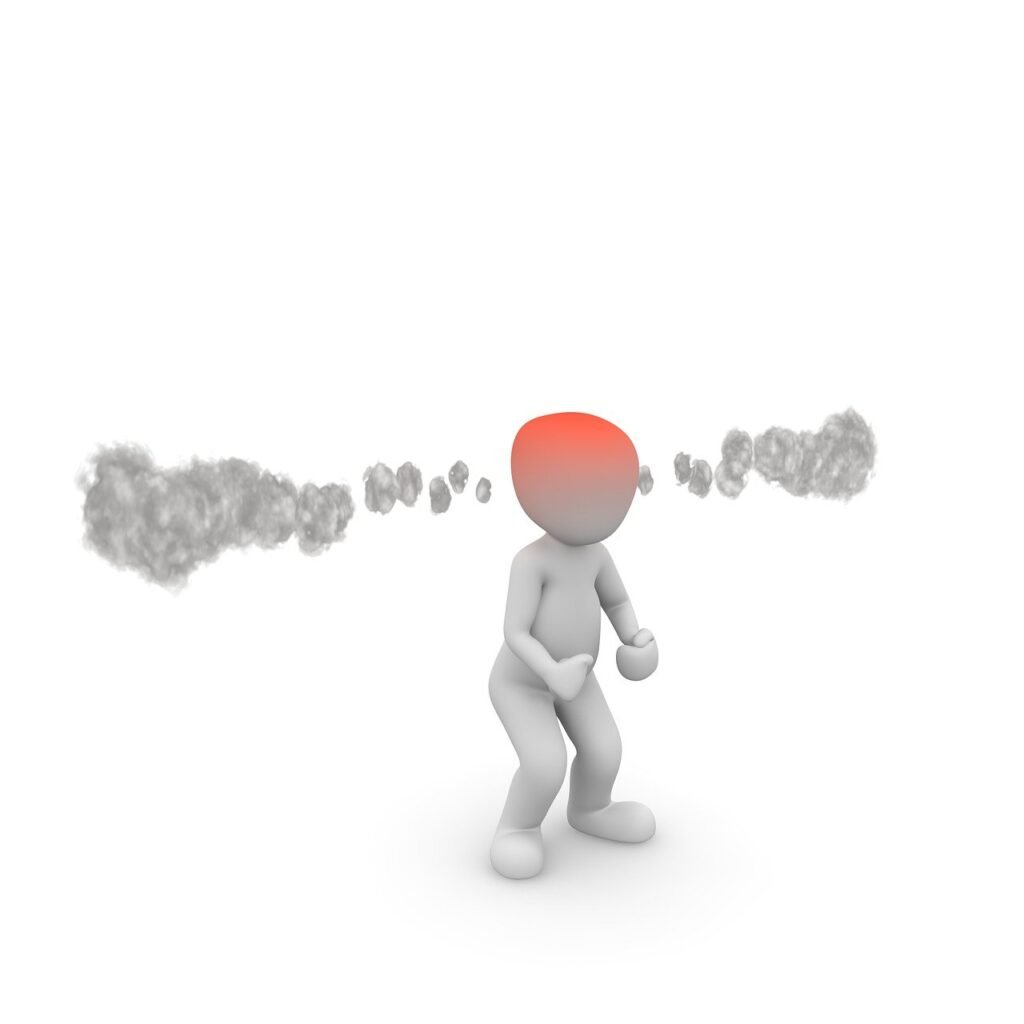
Feeling “pressured” means feeling pushed to do, be, or decide something, faster or more intensely than feels safe or right for you. It usually comes with tension, anxiety, and a sense that “I don’t really have a choice.”
Where pressure comes from
Pressure can come from several places at once:
- External pressure – Expectations from work, school, family, culture, money worries, deadlines, social media, or other people’s demands. These can be spoken (“you must…”) or unspoken (fear of judgement or rejection).
- Internal pressure – Your own beliefs and standards: perfectionism, fear of failure, “I must not let anyone down,” or tying your worth to success or approval.
- Situational pressure – Real constraints like time limits, crises, or lack of resources, where decisions genuinely matter and options are few.
Often, the most intense pressure is a mix of outer demands and inner rules you’ve absorbed over time.
Possible impacts
Negative impacts
- Stress and burnout – Constant pressure keeps your stress system switched on, risking exhaustion, sleep problems, and health issues.
- Anxiety and low mood – Living with “never enough” messages can lead to worry, shame, and depression.
- Worse decisions – Under high pressure, thinking narrows; people may rush, people‑please, or freeze, then regret choices later.
- Loss of authenticity – Saying yes when you mean no, or shaping your life around others’ expectations, can slowly disconnect you from your real needs and values.
Potential positives (in small, healthy doses)
- Short bursts of motivation – Mild, time‑limited pressure (a deadline, an exam) can sharpen focus and help you get things done.
- Growth and skill‑building – Reasonable challenges can stretch your abilities and confidence, especially when you choose them and have support.
The key difference is whether pressure feels chosen and manageable, or constant and compulsory.
Pros and cons summary
Pros (when balanced):
- Can boost focus and effort in the short term.
- Can push you to practise, prepare, and grow.
Cons (when chronic or extreme):
- Drains energy and harms mental and physical health.
- Fuels perfectionism and self‑criticism.
- Encourages choices that please others but betray yourself.
- Reduces creativity, play, and genuine enjoyment.
In plain terms: A little pressure can help you move; constant pressure can make you crack. Learning to notice where pressure comes from, and to set limits around it, is crucial for staying both effective and true to yourself.
Further Reading
https://www.apa.org/monitor/2024/10/antidote-achievement-culture
https://en.wikipedia.org/wiki/Perfectionism_(psychology)
https://en.wikipedia.org/wiki/Self-discrepancy_theory
https://pmc.ncbi.nlm.nih.gov/articles/PMC4562912/
https://article.sciencepublishinggroup.com/pdf/10.11648.j.pbs.20200903.11.pdf
https://online-learning-college.com/knowledge-hub/gcses/gcse-psychology-help/carl-rogers/
https://pmc.ncbi.nlm.nih.gov/articles/PMC6974350/
https://pmc.ncbi.nlm.nih.gov/articles/PMC7980419/