Contents
Stress
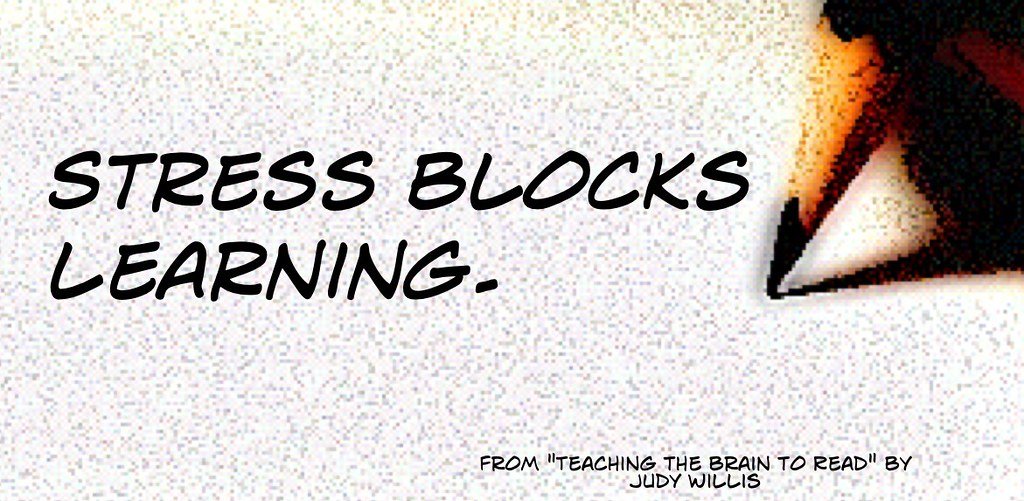
Stress is your body and mind’s built‑in alarm and energy system. It switches on when something feels demanding, uncertain, or threatening so you can deal with it.
What stress actually is
Stress is the reaction, not the event: the tight chest, racing thoughts, knot in the stomach, or urge to run away or fix everything at once.
As stress increases, the body reacts and changes too (like increased stress hormones, faster heartbeat) and changes in thinking (such as hyper-focusing on danger or what might go wrong).
When stress is helpful
Short‑term stress can sharpen focus, boost energy, and help you act quickly, like before an exam, a big meeting, or when avoiding danger.
This kind of “acute” stress usually fades once the situation is over and you rest or feel safe again.
When stress becomes a problem
Stress becomes unhelpful when it is too intense, goes on for too long, or piles up from many sources at once.
Then people may feel constantly on edge, drained, irritable, hopeless, or develop physical issues like headaches, poor sleep, stomach trouble, or getting sick more often.
Common signs of stress
In your body: tense muscles, headaches, jaw clenching, chest tightness, fatigue, upset stomach, trouble sleeping.
In your emotions: feeling anxious, overwhelmed, easily annoyed, tearful, flat, or restless.
In your thinking: racing thoughts, “what if” worrying, difficulty concentrating, forgetfulness, negative self‑talk.
In your behaviour: withdrawing from others, snapping at people, overworking, procrastinating, overeating or loss of appetite, more alcohol or other substances.
Simple ways to reduce stress
Tackle the source when you can: break big tasks into small steps, ask for help, say no to extra commitments, plan instead of constantly firefighting.
Calm the body: slow breathing, stretching, walking, gentle exercise, regular sleep, eating regularly.
Calm the mind: notice and question disaster‑style thoughts, use more balanced self‑talk, write worries down, limit constant news or phone checking.
Use support and recovery: talk to someone you trust, spend time on activities you enjoy, build small daily “off” moments where you truly switch off.
When to seek extra help
It is worth talking to a doctor or mental health professional if stress feels constant, seriously affects sleep, work, relationships, or leads to panic attacks, thoughts of self‑harm, or using substances to cope.
Getting support early is a sign of taking stress seriously, not a sign of weakness.