Contents
Role Models
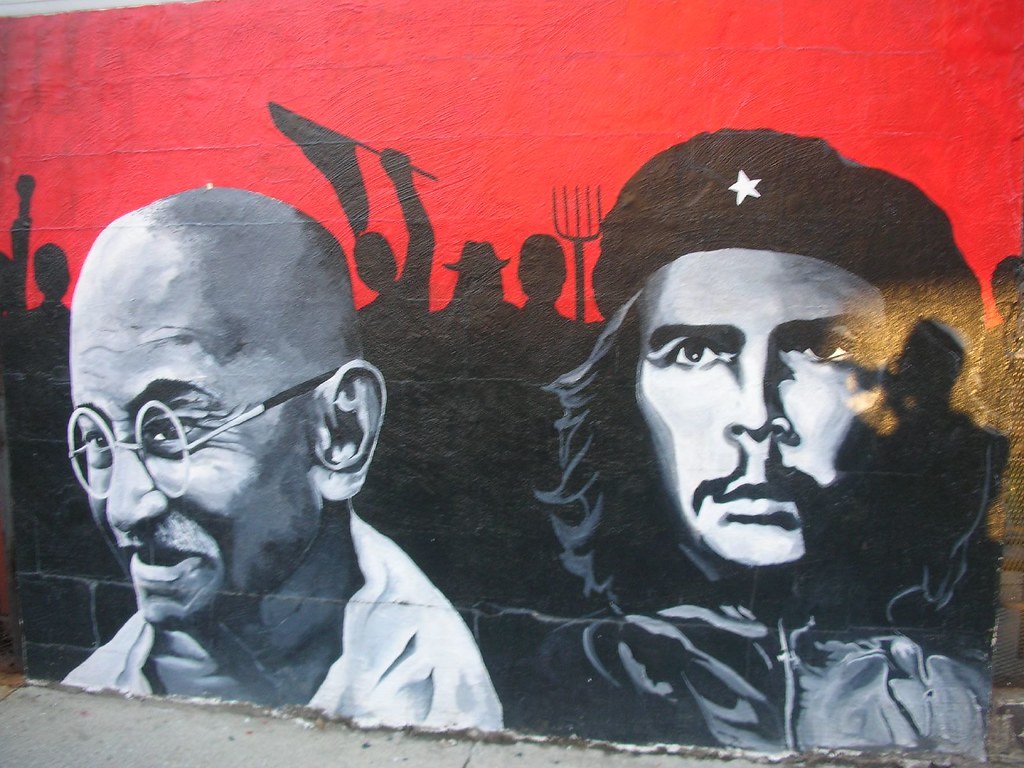
Role models are people whose example you use as a guide for how you want to live, behave, or grow. They give you a living picture of “the kind of person I’d like to be more like.”
Role models, however, can become an influence that you use to prove yourself to be “less than”, by failing to live up to false expectations of fame, or success, by copying others, rather than develop you own individual and authentic traits. [1][2]
What a role model is
A role model is someone you look up to and, consciously or not, copy in some way. They might be a parent, teacher, friend, public figure, or someone in your community whose values, choices, or attitude you respect. They can even be fictional characters that inspire you. [3][4][5][6]
People often start adopting role models from early childhood. In some ways, this can be seen as an extension of playing with toys and other imaginative games. Children play mother, acting out their mothering role model.
This develops into other roles – heroes and comic characters, as inspirations change over time. Until, the child that wants to be superman, in order to save the world. Might decide it is Elon Musk that they need to be like, not realising the enormity of the task.
People often encourage others to be like other people, however, how much do we know about anyone? How do we know what it took to be like them? Even with biographies, and other sources of information, all you may get, typically, is a massaged and interpreted filter. Often, one that is far from the truth.
Why role models matter
Seeing someone live out qualities you admire (kindness, courage, persistence, integrity, creativity, socially accepted and admired, judged by others as more than worthy, wealth, success fame and influence) makes those qualities feel more real, and achievable for you, by trying to follow their example.
Role models also shape ideas about what is “normal” or possible in careers, relationships, and identity, especially for children and young people.[7][8][9][10]
Positive vs negative role models
Positive role models: show helpful behaviours and attitudes: hard work, responsibility, respect, honesty, healthy coping. Positive role models tend to teach you how to think, not what to think. [11][9]
Negative role models: show harmful patterns (cruelty, dishonesty, recklessness), which can still influence behaviour if they are admired or go unchallenged. Negative role models tend to teach you what to think, and do not want you to think too much at all. They just want followers, not leaders.[12][6]
Being aware of why you look up to someone helps you decide which parts to emulate and which to leave.
What this means is that if you understand yourself, and know your “kind”, then you will recognise them, and they should have a positive influence. If, however, you do not know yourself, then that choice, will be more like “pot-luck”.
How role models influence you
Role models work largely through observation and imitation: you watch how they handle problems, emotions, and other people, and you quietly absorb those patterns. Their stories and example can boost motivation, shape values, and help you believe change or success is a possibility for you. [13][14][15][7]
Choosing and using role models wisely
- Look for people whose actions match their words over time.
- Notice specific traits you want to learn (for example, “how they set boundaries,” “how they stay kind under pressure”).
- Remember that no one is perfect; treat them as sources of inspiration, not as flawless templates.
Role models are real‑world examples that help you see, “This is what that kind of life or person looks like,” making it easier to shape your own path with more clarity and hope.[16][7]
References