
What are Esteem Needs?
What are Role Models?
Role models are people you look up to, and whose example you might use as a guide for how you want to live, behave, or grow.
Role models are people you look up to, and whose example you might use as a guide for how you want to live, behave, or grow.
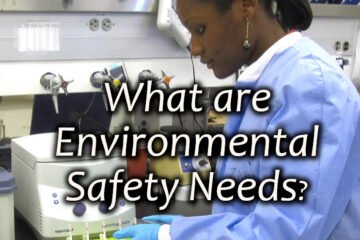
Environmental safety needs are the things people require in their surroundings so they can live, work, and move without constant danger.

Self-esteem is how a person sees and feels about themselves overall – their sense of “I’m okay and I have value” (or not).

Ideal relationships are not flawless or conflict‑free. They are relationships where truth and care can coexist. Where you can be real, including imperfect, and still feel fundamentally respected, valued, and free to be yourself.

Perfectionism is not just “having high standards”; it’s when the demand to be perfect starts to damage your well‑being, your relationships, and your ability to grow.

Achievement culture is a way of living or working where success, results, and constant improvement are treated as the main measure of a person’s worth.
Although Rogers wrote mainly about the real self and ideal self, the terms independent self and interdependent self come from later “self‑construal” research in cultural psychology
Gratitude, a profound and often underappreciated emotion, holds the power to transform our present mindset and influence our future outlook.