Human Thinking
How Collective Societal Fear creates Toxic Social Norms
Collective fear often shapes what a society is willing to see, name, and change, and that fear can quietly produce toxic “normal” ways of living.
Collective fear often shapes what a society is willing to see, name, and change, and that fear can quietly produce toxic “normal” ways of living.

Shaming others means trying to make someone feel bad about themselves by putting them down, often in front of other people

What makes people fearful is not just their amygdala and past trauma; it is also living in environments – families, communities, media ecosystems, that repeatedly tell them “you are not safe, you are not enough, and danger is everywhere.”

Toxicity is a useful shorthand for “harm that keeps getting into the system and making it worse over time.” In psychology and everyday life, it usually means patterns (in thoughts, relationships, or cultures) that regularly damage well‑being instead of supporting it.
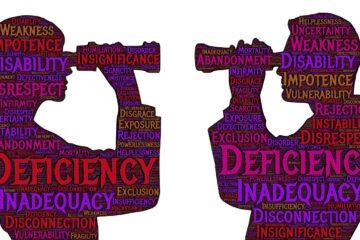
Feelings of inadequacy are the internal story that you are “less than.” They feel very real, but they are stories learned from experience and comparison and not fixed facts about who you are.

Trauma is what happens when an experience is so overwhelming that your usual ways of coping can’t keep up.

Safety Safety is about reducing the chances of getting hurt or harmed – physically, emotionally, or financially – so you can live your life with less fear and more freedom. It is never about removing all risk (which is impossible),…

This section holds a list of psychological concepts that form a basic understanding of the human mind.

The ego is the part of your mind that says “I.” It holds your picture of who you are, how you should act, and how others see you. It is not your whole self, but it has a big influence on your thoughts, feelings, and behaviour.

Bullying is not just “being mean.” It is a pattern where someone repeatedly hurts, scares, or controls another person, on purpose, to feel safer, stronger, or less ashamed inside. It often starts as a way to cope with their own fear of being blamed, mocked, or rejected.