Contents
Bullying
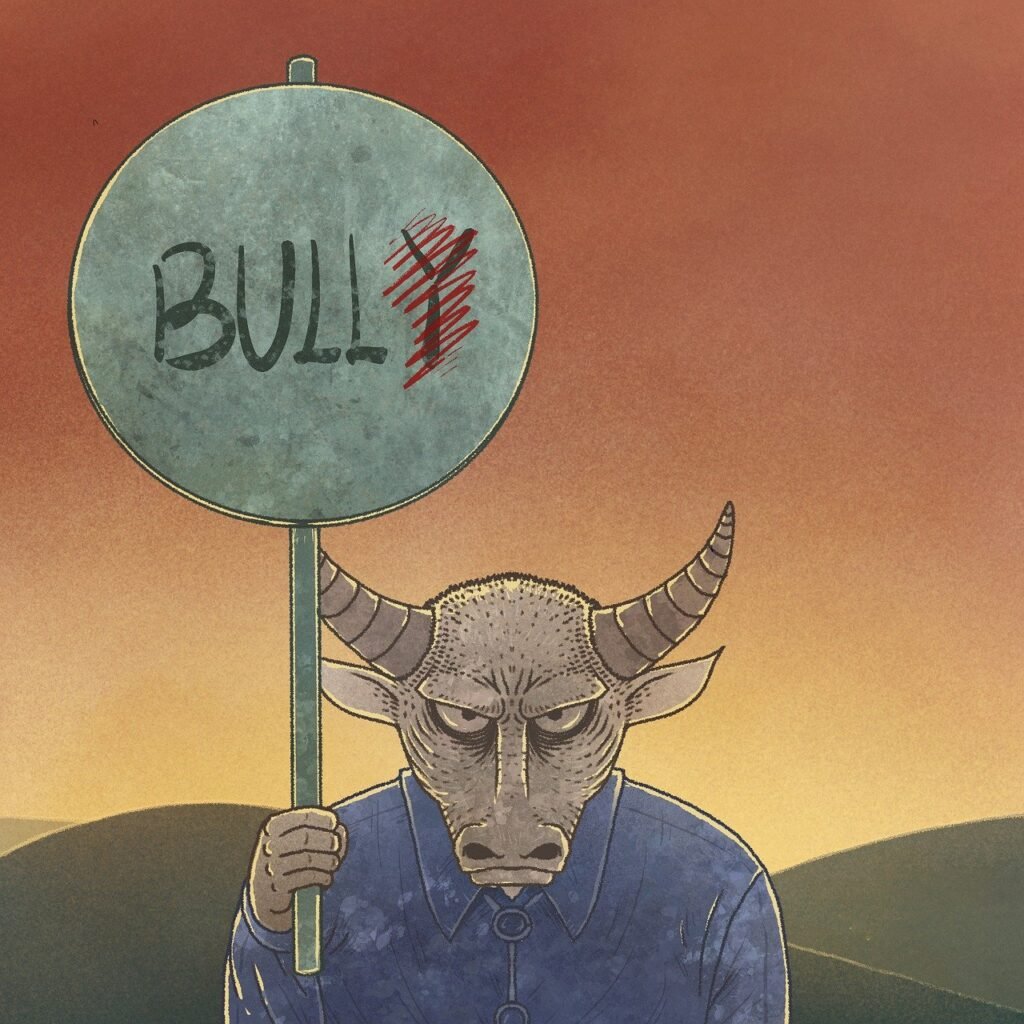
Bullying is not just “being mean.” It is a pattern where someone repeatedly hurts, scares, or controls another person, on purpose, to feel safer, stronger, or less ashamed inside. It often starts as a way to cope with their own fear of being blamed, mocked, or rejected.
What bullying is
Bullying is when a person:
- Picks a target and keeps putting them down, teasing, or humiliating them.
- Uses fear, jokes, gossip, or power (size, status, numbers, online reach) to control them.
- Knows it hurts the other person, but carries on anyway.
It can be:
- Verbal: name-calling, mocking, threats, “jokes” that sting.
- Social: spreading rumours, turning others against someone, freezing them out.
- Physical: pushing, hitting, taking or breaking things.
- Online (cyberbullying): attacks by messages, posts, or sharing pictures to shame.
How a bully is often made, not born
Many bullies were once scared, shamed, or blamed children. They may have:
- Been picked on at home, school, or online.
- Been blamed for everything, even when it wasn’t their fault.
- Seen caregivers or older kids use blame and attack as normal behaviour.
At some point, they learn a painful lesson: “If I don’t want to be the target, I must make sure someone else is.”
So, instead of being the scapegoat (the one everyone blames), they become the scapegoater (the one who points the finger). Instead of trying to please everyone to stay safe, they move into attacking first, so no one can easily attack them.
This doesn’t excuse the harm they cause, but it helps explain why bullying is a learned coping habit, not a random act.
From people-pleaser to accuser and bully
Some people swing between two roles over their life:
- People-pleaser: “If I’m nice enough, no one will hurt me.”
- Emerging bully: “If I accuse first, they can’t turn on me.”
Under both patterns lives the same fear: “I am not safe as I am. I must change myself, or hurt someone else, in order to survive.”
Bullies often:
- Feel weak or ashamed deep down.
- Cannot bear being seen as “the problem.”
- Push that role onto someone else, so they can feel strong and clean on the outside.
What bullying does to the target
For the person being bullied, the effects can be very serious:
- Feeling scared, anxious, or sick before school, work, or social events.
- Thinking, “There must be something wrong with me.”
- Losing confidence and self-respect.
- Feeling alone, rejected, or even “not human.”
- In severe cases, turning to self-harm, addiction, or thoughts of suicide.
This is why bullying must be taken seriously. It is not “kids being kids” or “banter.” It is a form of emotional or physical abuse.
What bullying does to the bully
Bullying also damages the bully over time:
- They depend on control and blame to feel okay.
- They never learn healthier ways to handle shame and fear.
- They may lose real friendships, because people fear them rather than trust them.
- Guilt and self-disgust can grow under the surface, feeding more anger.
Left unchecked, the “emerging abuser” pattern can carry into adult life: toxic relationships, harsh parenting, bullying at work, or abusive leadership.
Breaking the pattern
For targets of bullying:
- You did not cause this by being “wrong” or “weak.”
- Talk to someone you trust (friend, teacher, manager, family, helpline).
- Keep records if it happens at school or work (dates, what was said/done).
- Set clear boundaries: “That’s not okay. Stop.”
- Where possible, avoid being alone with the bully and seek support from others.
For bullies who recognise themselves in this:
- Your behaviour is harmful and must stop, but you are not beyond hope.
- Ask yourself: “When did I first feel like I was the one everyone blamed or shamed?”
- Notice when you start to pick a target—what are you trying not to feel in that moment?
- Seek help (counsellor, therapist, trusted adult) to learn safe ways to handle anger, shame, and fear.
For bystanders:
- Silence often supports the bully, even if you don’t mean it to.
- You can offer quiet support to the target: “I saw that. It wasn’t okay. You’re not alone.”
- When safe, you can say, “That’s not fair,” or get help from an adult or authority.
A kinder understanding, with firm limits
In plain terms:
- Bullies are often hurt children in grown bodies, who never learned a better way to handle their shame and fear.
- Their coping habit has turned outward—now they cause the pain, instead of receiving it.
- This deserves empathy for the origin of the pattern, but clear, strong limits on the behaviour.
We can hold both truths:
- Bullying is wrong and must be stopped.
- Many bullies became that way because no one helped them with their own pain.
Real healing starts when:
- Targets are protected and believed.
- Bullies are held accountable and offered a path to face their own hurt without passing it on.