Contents
Human Organismic Structure
Human “organismic structures” are the built‑in layers and systems that make a person a single, living, organised whole. They are the basic ways the human body‑mind is put together, from cells up to thoughts and feelings, so that everything works as one.
The basic layers
You can picture the human organism in stacked layers:
- Cells: Tiny living units (like bricks).
- Tissues: Groups of similar cells (like walls).
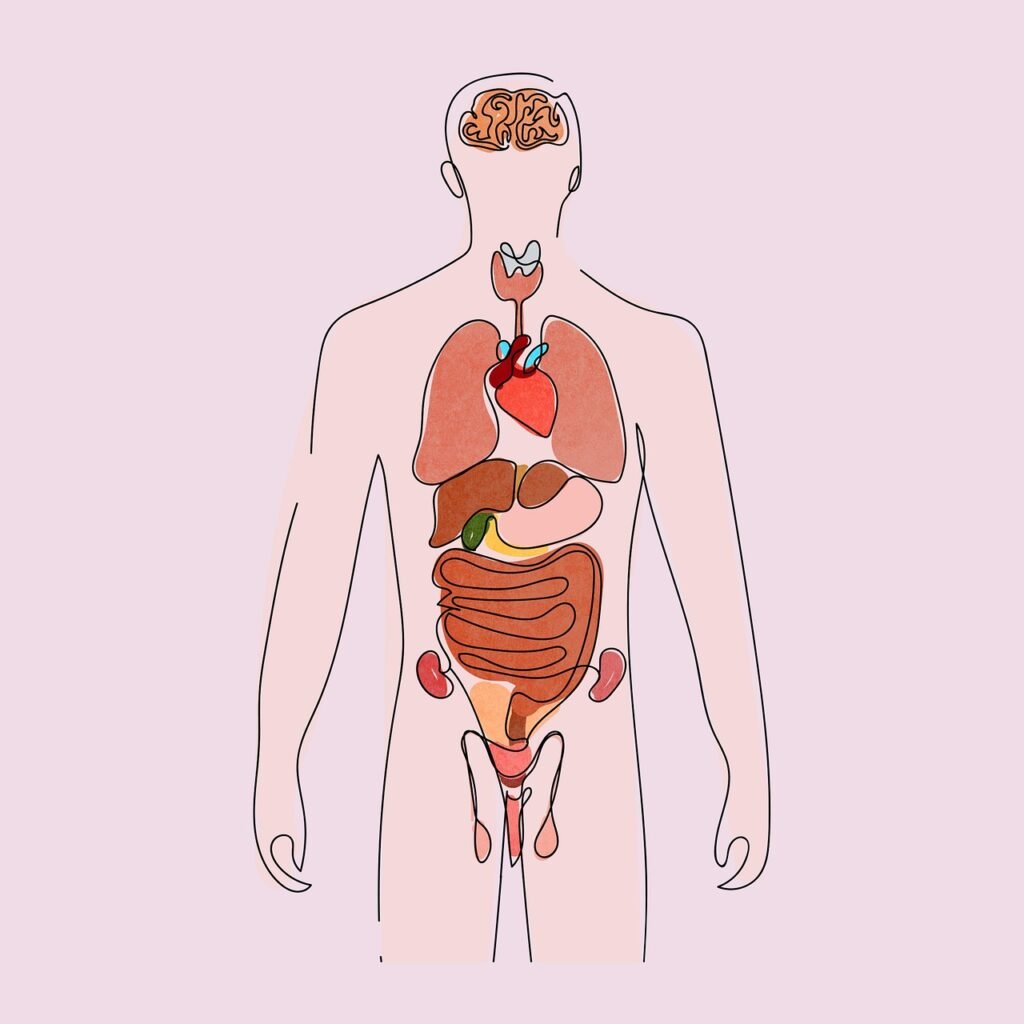
- Organs: Body parts made of several tissues (heart, lungs, brain).
- Organ systems: Sets of organs that work together (nervous system, circulatory system, digestive system, etc.). All of these together form one organism – a single person – not just a pile of parts.
Key body systems as “organismic structures”
Major systems organise how the organism works:
- Nervous system: Brain, spinal cord, nerves – coordinates sensing, movement, thought, and emotion.
- Endocrine system: Glands and hormones – slower chemical signals that influence energy, growth, stress and mood.
- Circulatory and respiratory systems: Move blood and oxygen, keeping all cells supplied and able to function.
- Immune and microbiota systems: Defend against disease and interact with trillions of microbes that live in and on the body, influencing health and even mood.
These systems are “organismic” because they only make full sense as parts of the living whole, constantly communicating and adjusting together.
Body–mind as one structure
The human organism also includes mental and emotional organisation:
- The brain and nervous system link body signals (heart rate, tension, gut feelings) with thoughts and feelings, so physical states and mental states are tightly connected.
- Patterns of attention, memory, emotion, and behaviour form higher‑level “structures” (habits, personality tendencies) that help the organism navigate the world.
So “organismic structures” are not just bones and organs; they include the integrated body–mind patterns that make a person act and experience the world in a coherent way.mindandlife+1
Why this way of looking matters
Seeing humans as organisms with layered, interacting structures highlights that:
- Physical health, emotions, thinking, and behaviour are deeply linked, not separate boxes.
- Changes at one level (sleep, food, movement, stress) can ripple through systems and affect mood, focus, and long‑term health.
In simple terms, human organismic structures are the built‑in “architecture” of a person – from cells to systems to mind – that keeps the whole living being working, responding, and adapting as one.
Further Reading
https://www.britannica.com/science/human-body
https://askthescientists.com/human-organism/
https://www.merriam-webster.com/dictionary/organism
https://www.biologyonline.com/dictionary/organism
https://www.biologyonline.com/dictionary/human
https://pmc.ncbi.nlm.nih.gov/articles/PMC3602252/
https://pmc.ncbi.nlm.nih.gov/articles/PMC2648621/
https://pmc.ncbi.nlm.nih.gov/articles/PMC8376694/
https://medicine.washu.edu/news/mind-body-connection-is-built-into-brain-study-suggests/
https://pmc.ncbi.nlm.nih.gov/articles/PMC3115289/
https://www.simplypsychology.org/mindbodydebate.html
https://www.mindandlife.org/insight/embodiment/
https://fiveable.me/key-terms/anatomy-physiology/organism