What is Imagination?
Imagination is your inner “space” for trying out ideas, feelings, and futures without risk. It is how your mind stretches beyond what is here and now, so you can make sense of life and shape it in your own way.

What makes people fearful is not just their amygdala and past trauma; it is also living in environments – families, communities, media ecosystems, that repeatedly tell them “you are not safe, you are not enough, and danger is everywhere.”
Abandonment is not just being left; it is being left without what you need, in a way that cuts into your sense of safety and worth
Compulsive conversational distraction is usually an avoidance strategy plus anxiety and low self‑trust, not random weirdness.
Creativity is using what you have – your mind, body, materials, and experiences—to make something that wasn’t there before. It lets your inner world take shape outside you, and that is good for mental health, identity, and simple, human joy.
Frequent, off‑topic interrupting is usually a sign that impulse, anxiety, pain, power, and self‑focus are outrunning listening, not that the person doesn’t care.
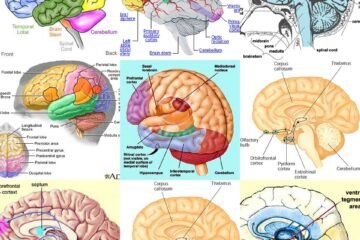
Your brain is your body’s command centre and your mind’s home. It takes in information, makes sense of it based on past experience, and chooses responses from moment by moment; so you can stay alive, learn, adapt, and be yourself.
An affirmation is a way of saying “this is what is true and important about me” and repeating it often enough that it starts to guide how you think, feel, and act.
True parental supervision is warm, informed, and steady. It keeps children safe not just by watching them, but by building a relationship where the child wants to share, listen, and cooperate
Self-Mastery Self‑mastery means being able to steer yourself on purpose instead of being dragged around by habits, impulses, or other people’s expectations. It is about recognising what you think, feel, and want, and then choosing your responses in a way that fits your values, rather than just reacting with the Read more