
How do Trauma
What are Defence Strategies?
Defence strategies are often a form of maladaptive coping response, aimed at pushing a childhood self-blame onto others.
Defence strategies are often a form of maladaptive coping response, aimed at pushing a childhood self-blame onto others.
When people belittle others, it is often a defence strategy, designed to keep them “less than”, the individual doing the mocking, and this allows them to stop listening to that individual, to pretend to themselves that they are irrelevant.

This article looks into the basic family relationship, as driven by our genetic need for connection, support, nurturing and protection. We then propose a typical dysfunctional scenario, based on parents that are avoidant of that connection. It proposes that this scenario will result in children that will include a scapegoat, who may well develop C-PTSD based Stockholm Syndrome, before they are old enough to verbalise their long-term abuse. It also introduces a new term – Puppy-dog Syndrome, to describe one of the observable behaviours of children that have had this childhood.
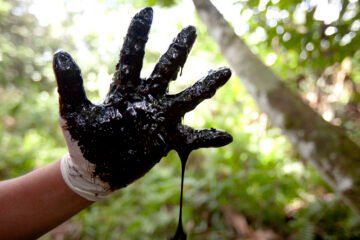
Toxicity from one’s local environment can come in many forms. Overall, we can say that toxicity is something that challenges us, something that serves to restrict our true, or desired expression, or intention, in that moment.