Contents
Online Abuse
Online abuse is not just “mean comments.” It is a set of tactics for attacking, silencing, watching, and steering people inside systems that are built to collect and exploit their data. Those systems and some of their users work together, intentionally or not, to keep people exposed and under control.
What online abuse looks like
Common tactics include:
- Harassment and threats: repeated hostile messages, rape or death threats, slurs, and targeted bullying.
- Dogpiling and mobbing: many accounts attacking at once so you feel overwhelmed and outnumbered.
- Doxxing: publishing or circulating your personal details (name, address, workplace, phone, family info) to intimidate, punish, or invite others to attack.
- Stalking and surveillance: watching your posts and activity, using trackers, spyware, or linked devices to monitor where you are and who you talk to.
- Impersonation and fake accounts: setting up accounts in your name, or fake “supporters” who are actually there to gather information or provoke you.
These tactics can be used by strangers, organised groups, or people you know, including partners and family members.
Gaslighting, silence, and “people policing”
Abuse online is not just loud; it is also quiet and controlling.
- Gaslighting: abusers and bystanders tell you “it’s just a joke,” “you’re too sensitive,” “it’s not that bad,” even when there are threats, doxxing, or ongoing harassment.
- Walls of silence: people read but do not like, comment, or share; friends may privately agree with you but stay publicly quiet to avoid becoming targets themselves.
- People policing: self‑appointed “norm enforcers” pile on, and attack anyone who steps outside the accepted line, using shaming, mass reporting, or purity tests to keep people in check.
This mix can make you feel isolated, irrational, and unsafe for simply speaking or existing online.
How the systems themselves control you
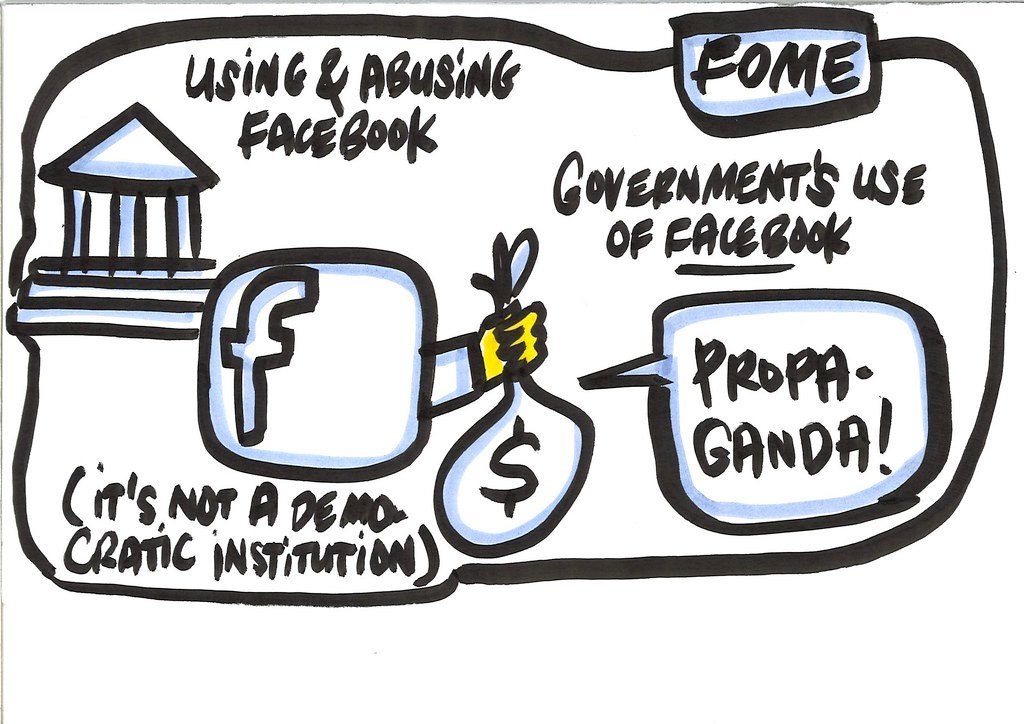
Big platforms are not neutral; they run on surveillance capitalism.
- Data harvesting: almost everything you do is logged and used to predict and influence your behaviour — what you see, what you buy, even what you believe.
- Profiling and inference: platforms infer things like mood, politics, health, relationships, or vulnerability from your behaviour, then use that to target ads and content.
- Algorithmic nudging: outrage, fear, and emotionally charged content are boosted because they keep you engaged, which also keeps abuse and harmful content circulating.
On top of this, “safety” rules increasingly push towards more identification and more data:
- Online Safety laws and age‑assurance schemes can require IDs, facial scans, or even banking information to access services, in the name of protection.
- Civil liberties groups warn this expands surveillance, creates chilling effects on speech, and increases the risk if data is leaked or misused.
So you are told you must hand over more personal and financial data to the same corporations and infrastructures that already mishandle it, and sometimes weaponize it.
“Help” systems and digital IDs
Even some safety mechanisms can be double‑edged:
- Reporting abuse or doxxing is slow, opaque, and often ends with “no violation found,” while your content is scanned and stored.
- New online safety rules can push platforms to scan private messages or link accounts more tightly to real‑world IDs, increasing the power of both companies and states to watch and control users.
The risk is that “safety” becomes a reason to build bigger databases of who you are, who you talk to, how you pay, and what you say, and to close down anonymity that vulnerable people often rely on.
What you can do (without blaming yourself)
Nothing here is a magic fix or your responsibility to solve, but there are some levers you can use:
- Treat big platforms as hostile environments: high‑risk, not “community spaces.” Share less identifying information than they ask for, and be very cautious about documents, banking details, or real‑time locations.
- Separate identities: where possible, keep different emails, usernames, or profiles for different areas of your life; do not assume “real name” equals safety.
- Limit visibility: use privacy settings, locked accounts, or small groups when talking about vulnerable topics, knowing these tools are imperfect but can reduce easy targeting.
- Evidence and exit: if you are being abused, consider quietly collecting evidence (screenshots, URLs, dates) and then blocking, muting, or leaving spaces rather than staying to “win”. That way, your nervous system is not a content‑moderation tool.
Most importantly: if you feel crazy, unsafe, or silenced by what happens to you online, that is a rational response to a set of systems and tactics that are built to watch, manipulate, and punish people while calling it “connection” and “safety.”
Further Reading
https://pmc.ncbi.nlm.nih.gov/articles/PMC10486147/
https://www.thestudyias.com/blogs/surveillance-capitalism-2/
https://share.stanford.edu/education-and-outreach/learn-topics/digital-safety
https://www.crimejusticejournal.com/article/download/2140/1186
https://audri.org/wp-content/uploads/2024/02/EN-AUDRi-Briefing-paper-doxing-04.pdf
https://journals.sagepub.com/doi/pdf/10.1177/10778012231222486
https://academic.oup.com/bjsw/article/54/1/419/7272719
https://arxiv.org/pdf/1705.09929.pdf
https://arxiv.org/pdf/1803.08810.pdf
https://academic.oup.com/cybersecurity/article/10/1/tyae026/7928395
https://www.sciencedirect.com/science/article/pii/S0378720625001144
https://academic.oup.com/bjsw/article/54/7/3274/7690180
https://www.sciencedirect.com/science/article/pii/S1045235421001155
https://en.wikipedia.org/wiki/Surveillance_capitalism
https://wikimediafoundation.org/news/2025/06/27/the-wikipedia-test/
https://www.gov.uk/government/publications/online-safety-act-explainer/online-safety-act-explainer
https://cetas.turing.ac.uk/publications/age-assurance-technologies-and-online-safety
https://www.ibanet.org/UK-introduces-rules-to-hold-big-tech-accountable-for-child-safety
https://arxiv.org/pdf/2202.00879.pdf
https://www.bbc.co.uk/news/articles/cly74mpy8klo
https://arxiv.org/pdf/1303.3764.pdf
https://learning.nspcc.org.uk/online-safety/preventing-online-abuse-and-harm
https://journals.sagepub.com/doi/10.1177/20539517231177621
https://jurnal.fh.unpad.ac.id/index.php/jbmh/article/download/1062/684
https://arxiv.org/pdf/2410.22390.pdf
https://www.tandfonline.com/doi/pdf/10.1080/17577632.2024.2357463?needAccess=true
https://anthonygold.co.uk/insight/digital-abuse-and-how-courts-handle-technology-driven-abuse/
https://www.familylawgroup.co.uk/news/when-abuse-goes-digital-know-your-rights