
Self-Values
What is Self-Esteem?
Self-esteem is how a person sees and feels about themselves overall – their sense of “I’m okay and I have value” (or not).
Self-esteem is how a person sees and feels about themselves overall – their sense of “I’m okay and I have value” (or not).

Esteem needs are the human needs to feel “I matter and I’m capable,” both in one’s own eyes and in the eyes of others.

Safety needs are about feeling reasonably protected from harm and having some stability in life so the mind is not constantly on high alert.
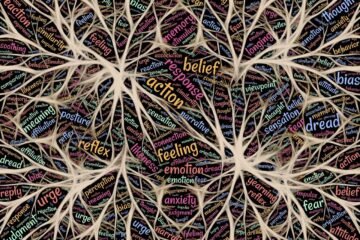
Psychological needs are the inner “must-haves” of the mind and heart that help a person feel stable, motivated, and well.
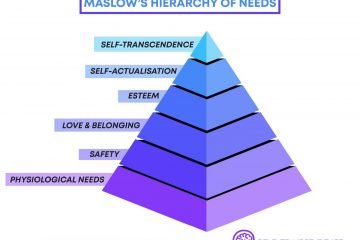
This is a way of explaining what people tend to seek in life, from basic survival all the way up to growth and purpose.

Self-actualisation is the ongoing process of of discovery and development of what a person has inside them; talents, interests, conscience.
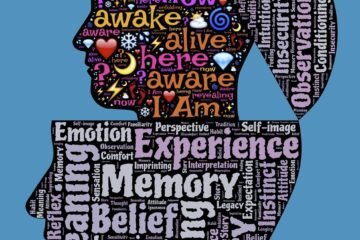
Self-transcendence is about going beyond a narrow focus on “me, my problems, my image” and feeling part of something bigger.
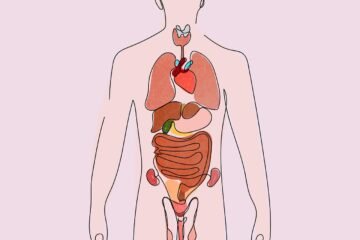
Human “organismic structures” are the built‑in layers and systems that make a person a single, living, organised whole.
The human organism is a single living being made of body and mind working together as one whole interconnected system.

Organizational control systems are the ways leaders guide and check what happens in an organisation so it doesn’t drift off-course.