Contents
- 1 Emotional safety
- 1.1 What emotional safety means
- 1.2 How emotional safety feels
- 1.3 Behaviours that create emotional safety
- 1.4 Behaviours that damage emotional safety
- 1.5 Your side of emotional safety
- 1.6 Building emotional safety with someone
- 1.7 Emotional safety with yourself
- 1.8 When emotional safety is missing
- 1.9 Feeling Unsafe Internally
- 1.10 First steps if you don’t feel safe with yourself
- 1.11 Treating your inner world as a safety issue
- 1.12 Why “just leave” is not enough
- 1.13 If you are in immediate danger
- 1.14 If you feel unsafe but not in crisis
- 1.15 Emotional and psychological safety steps
- 1.16 Further Reading
Emotional safety
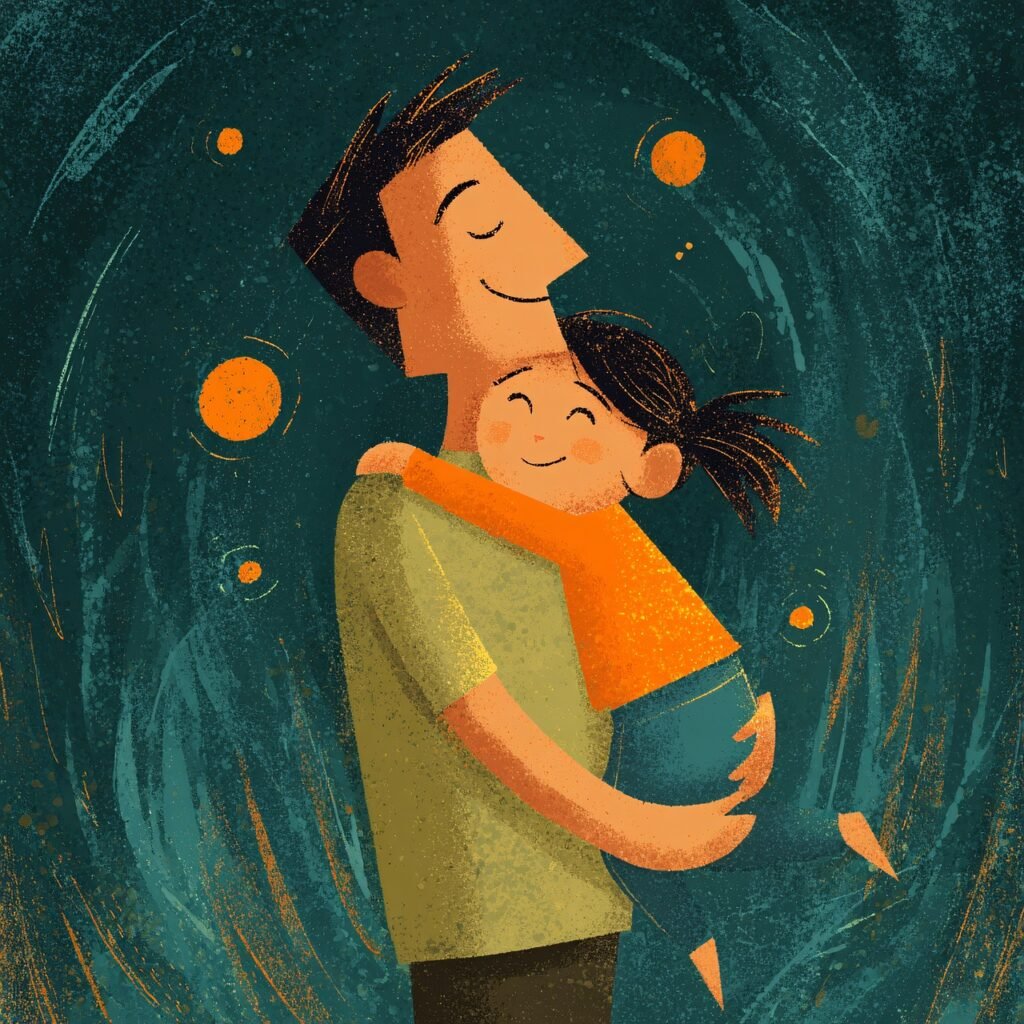
Emotional safety is the feeling that it is okay to be yourself with someone — that you won’t be mocked, shamed, attacked, or controlled for what you think, feel, or need. It is about trust and respect, not perfection or never having conflict.
What emotional safety means
Emotional safety means you can share your thoughts and feelings without constant fear of being put down, punished, or abandoned. You still care how the other person reacts, but you are not walking on eggshells all the time.
How emotional safety feels
- You feel heard, even if you are not always agreed with.
- You can say “no,” “I don’t like that,” or “I’m upset,” without expecting rage or payback.
- You feel generally accepted as you are, not only when you are pleasing or useful.
Behaviours that create emotional safety
- Listening without constant interrupting, correcting, or mocking.
- Speaking honestly but kindly, avoiding insults and name-calling.
- Owning your mistakes and apologizing when you have hurt someone.
- Keeping confidences and not using personal information as a weapon later.
- Being predictable: your reactions roughly match the situation, not wildly out of proportion.
Behaviours that damage emotional safety
- Put-downs, sarcasm, or mocking when someone is vulnerable.
- Threats (“If you say that again, I’ll leave,” “You’ll be sorry”).
- Silent treatment, stonewalling, or sudden withdrawal used as punishment.
- Controlling who someone sees, what they do, or how they feel.
- Bringing up old wounds in every argument to shame the other person.
Your side of emotional safety
You cannot control others, but you can:
- Notice how you speak when angry; aim to talk about the problem, not attack the person.
- Say what you feel using “I” statements (“I feel hurt when…” instead of “You always…”).
- Set limits calmly when you feel disrespected (“I’m not willing to be spoken to like that; I’m going to take a break.”).
- Choose who you share deep feelings with — not everyone has earned that level of trust.
Building emotional safety with someone
- Start small: share minor feelings first and see how they respond.
- Show you can handle their feelings too — don’t mock or dismiss when they open up.
- Create agreements, like “No name-calling,” “No bringing up past issues in new arguments,” or “Either of us can ask for a break if things get too heated.”
- After conflicts, talk about how you argued, not just what you argued about: “Did that feel safe for you? What can we do differently next time?”
Emotional safety with yourself
Emotional safety is also how you treat your own inner world.
- Notice your feelings instead of immediately judging them (“I’m feeling jealous” rather than “I’m pathetic”).
- Allow feelings to exist without instantly acting on them.
- Speak to yourself the way you would speak to a close friend going through the same thing.
When emotional safety is missing
If you often feel afraid, small, confused, or guilty for having normal feelings, emotional safety may be low. In those cases, it can help to:
- Talk to someone you trust outside the situation.
- Learn more about healthy vs unhealthy relationship patterns.
- Seek professional support if you feel trapped, frequently frightened, or unsure what is “normal.”
Feeling Unsafe Internally
Feeling unsafe inside yourself matters just as much as danger from other people or situations. Many people live with intense anxiety, self‑hatred, urges to self‑harm, or suicidal thoughts that make their own mind feel like an unsafe place.
What “internally unsafe” can look like
- Constant thoughts of harming yourself or wishing you were not here.
- Strong urges to use alcohol, drugs, food, or other behaviours in ways that feel out of control.
- An inner voice that is harsh, abusive, or relentlessly shaming.
- Sudden waves of panic, rage, or numbness that feel bigger than you and hard to manage.
These are not “just thoughts” you should ignore; they are real safety signals.
Why this often gets missed
Guides about safety often focus on outside risks (crime, abuse, accidents) and skip over the fact that your own thoughts and urges can also put you at serious risk. There is also still stigma and shame around saying, “I don’t feel safe with myself,” so people stay silent instead of asking for help.
First steps if you don’t feel safe with yourself
- Tell someone as plainly as you can: “I don’t feel safe with myself right now.” This might be a trusted person, a crisis line, or a health professional.
- Create a personal safety plan: warning signs, coping strategies (distraction, grounding, breathing), safe people to contact, and places you can go if things get worse.
- Reduce access to things you might use to harm yourself if possible, and ask for help with this if you cannot do it alone.
Treating your inner world as a safety issue
Feeling unsafe inside is not a character flaw; it is a sign of distress that deserves the same seriousness as any external threat.
Why “just leave” is not enough
Many people in unsafe situations face things like financial dependence, children, disability, threats, immigration status, shame, or fear that no one will believe them. In abusive or controlling relationships, the person may also be worn down, confused, or isolated, which makes it much harder to see options or act on them.
If you are in immediate danger
- Prioritise your physical safety before belongings, pride, or explanations. Services repeatedly advise: try to get to a safer place and contact emergency services if you can (for example, 999 in the UK).
- A “safer place” can mean a public, well‑lit area, a neighbour’s house, a locked room, or any space with other people around.
If you feel unsafe but not in crisis
- Tell someone you trust what is happening; a friend, family member, GP, support line, or worker involved in your care.
- Ask about local support (domestic abuse services, safeguarding teams, mental health services, or advocacy groups); they can help you think through options and risks rather than acting alone.
- Begin a simple safety plan: where you could go in an emergency, how you could get there, who you would contact, and what essentials you would try to take.
Emotional and psychological safety steps
Even when you cannot change the whole situation immediately, you can sometimes:
- Limit what you share with people who use your feelings against you, and seek more supportive relationships elsewhere (online or offline).
- Strengthen your own support network and coping skills (for example, trauma‑informed counselling, peer support, or helplines) so you are less alone with what is happening.
Further Reading
https://pmc.ncbi.nlm.nih.gov/articles/PMC2977524/
https://pmc.ncbi.nlm.nih.gov/articles/PMC7683637/
https://www.devonsafeguardingadultspartnership.org.uk/abuse/emotional-abuse/
https://www.childline.org.uk/info-advice/home-families/family-relationships/domestic-abuse/
https://www.flows.org.uk/support-for-women/in-danger
https://www.mariecurie.org.uk/information/getting-care/safeguarding
https://safelives.org.uk/about-domestic-abuse/what-is-domestic-abuse/psychological-abuse/
https://pmc.ncbi.nlm.nih.gov/articles/PMC11772489/
https://www.helpguide.org/mental-health/ptsd-trauma/coping-with-emotional-and-psychological-trauma
https://www.semanticscholar.org/paper/adfb55eaf046618686eadf0d8dc26aca88e9eb67
https://www.ijfmr.com/papers/2024/1/11458.pdf
https://pmc.ncbi.nlm.nih.gov/articles/PMC5050353/
https://www.frontiersin.org/articles/10.3389/fpsyg.2024.1441493/full
https://downloads.hindawi.com/journals/np/2016/8058093.pdf
https://journals.sagepub.com/doi/pdf/10.1177/02762366231159848
https://womensaid.org.uk/information-support/the-survivors-handbook/im-worried-about-someone-else/
https://learning.nspcc.org.uk/child-abuse-and-neglect/emotional-abuse
https://www.hse.gov.uk/event-safety/incidents-and-emergencies.htm
https://themendproject.com/reactive-abuse/
https://nbcc.police.uk/crime-prevention/safeguarding/personal-safety-at-work
https://www.npsa.gov.uk/specialised-guidance/personal-safety-security-high-risk-individuals
https://reportandsupport.ram.ac.uk/support/personal-safety-advice
https://ukpatientcare.co.uk/personal-safety-7-top-tips/
https://pmc.ncbi.nlm.nih.gov/articles/PMC11772489/
https://www.helpguide.org/mental-health/ptsd-trauma/coping-with-emotional-and-psychological-trauma
https://pmc.ncbi.nlm.nih.gov/articles/PMC5050353/
https://pmc.ncbi.nlm.nih.gov/articles/PMC7683637/
https://www.mariecurie.org.uk/information/getting-care/safeguarding