Anima Polycosmi

If one world can possess an anima, it then follows, that a plurality of worlds may also possess a soul appropriate to their collective form. And that in addition, all objects/structures and visible aspects of that universe are part of that universal soul

James Hillman - Depression, monochrome image of James Hillman, psychologist

Archetypal Psychology in Practice

James Hillman’s archetypal psychology is easier to misunderstand than to apply. Its vocabulary – gods, soul, images, underworld, personification and psychological polytheism, can create the impression that the practitioner’s task is to identify mythological figures concealed inside dreams and symptoms.

#carljung #psychoanalyst #fatherofsymbolism #jung #psychiatrist #psychology #collectiveunconscious #archetype #anima #animus #synchronicity

From Analytical Psychology to Archetypal Psychology

James Hillman’s archetypal psychology arose from Carl Gustav Jung’s analytical psychology, but it should not be understood merely as a later version of Jungian theory. Hillman retained some of Jung’s most radical propositions while questioning the conceptual structure Jung had built around them.

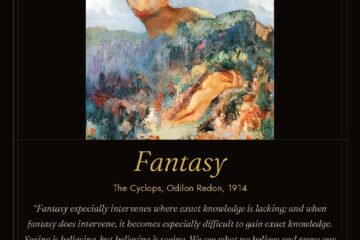
ames Hillman - Fantasy quotation

Archetypal Psychology

Archetypal psychology is the school of psychological thought most closely associated with James Hillman. Emerging as a distinct movement during the early 1970s, it developed out of Carl Gustav Jung’s analytical psychology while also questioning several of Jung’s central assumptions.


    [honeypot honeypot-821 validautocomplete:true timecheck_enabled:true timecheck_value:3]