Contents
The stomach as an organism
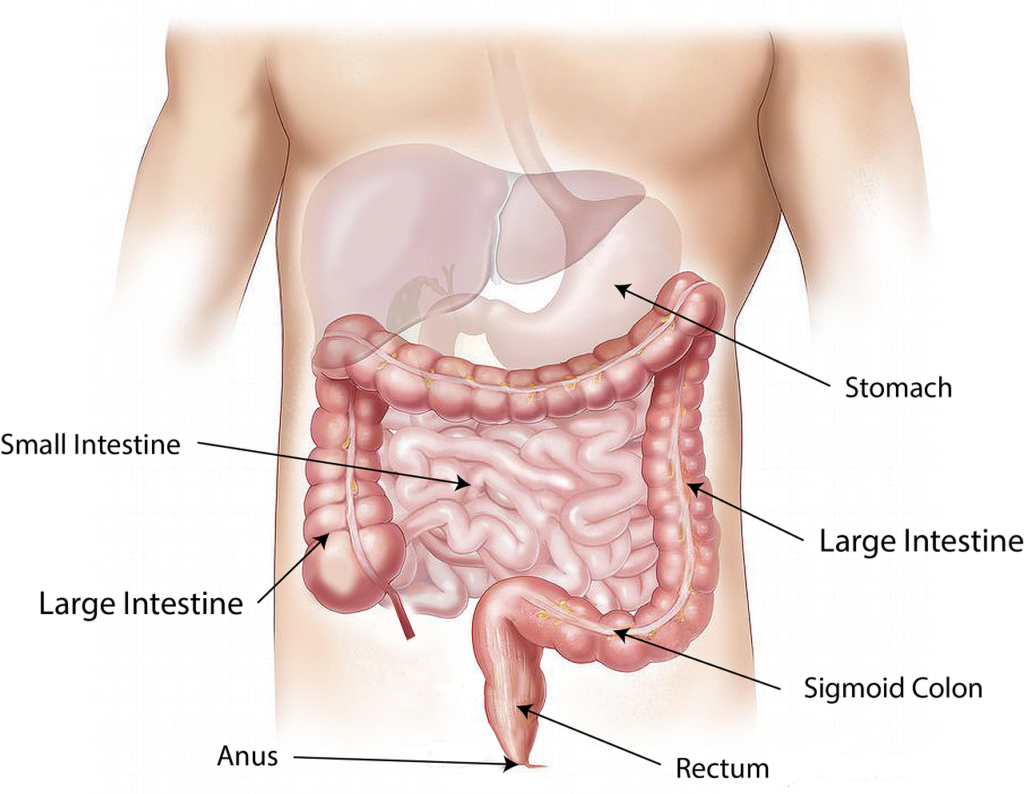
The stomach is a muscular, stretchy bag in the upper abdomen that serves as the body’s main “food mixer and starter digester.” Its organismic functions are the roles it plays for the whole body, not just what happens inside it locally.[11][19][20]
Mechanical processing
The stomach temporarily stores food so it does not flood the small intestine all at once. Rhythmic contractions of its muscular wall churn food, breaking it into smaller pieces and mixing it with digestive juices to form a semi-liquid called chyme.[12][18][20]
Chemical digestion
Glands in the stomach lining secrete gastric juice, which includes hydrochloric acid and enzymes such as pepsin. This acidic mixture starts protein digestion and helps dissolve food components, preparing nutrients for later absorption in the intestines.[14][20][12]
Protection and barrier function
The acidic environment kills many microbes that enter with food, acting as a first line of defence against infection. At the same time, mucus and other protective factors from the stomach lining maintain a barrier that keeps this acid from damaging the body’s own tissues under normal conditions.[17][20][21]
Regulation of emptying and downstream organs
The stomach releases its contents into the small intestine in controlled, small portions through the pyloric sphincter. This pacing coordinates with the intestines, pancreas, and liver so enzymes and bile can work efficiently, preventing overload and helping maintain overall digestive balance.[15][20][12]
Hormonal and signalling roles
Cells in the stomach produce hormones such as gastrin and ghrelin that influence acid secretion, stomach motility, and sensations of hunger. Through these signals, the stomach contributes to whole-body energy regulation and helps coordinate the broader digestive and metabolic response to a meal.[16][11][15]
Investigating the stomach
[dsgvo-youtube url=”https://youtu.be/rU7fkv0UTPg” images=”https://self-transcendence.org/wp-content/uploads/2026/01/Screenshot-2026-01-02-010025-1024×501.png” ][/dsgvo-youtube]
References and Further Reading