
How do Trauma
What are Defence Strategies?
Defence strategies are often a form of maladaptive coping response, aimed at pushing a childhood self-blame onto others.
Defence strategies are often a form of maladaptive coping response, aimed at pushing a childhood self-blame onto others.
Collective fear often shapes what a society is willing to see, name, and change, and that fear can quietly produce toxic “normal” ways of living.
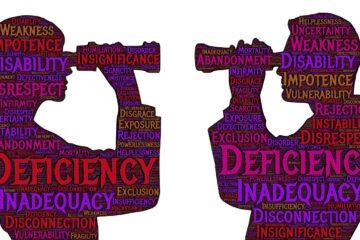
Feelings of inadequacy are the internal story that you are “less than.” They feel very real, but they are stories learned from experience and comparison and not fixed facts about who you are.

Dynamic Reframing is the coping process that runs in the mind, that corrects the person’s perceptual framing of the experience for minimal resistance as it moves through the stages of pre-thought, thought, reflection, understanding, judgement, acceptance.

Trauma is what happens when an experience is so overwhelming that your usual ways of coping can’t keep up.

In life, a constant stream of microaggressions – of disagreements, and being corrected, told to change our thinking or behaviour – tend to cause microtraumas, which, ultimately are micro-rejections of the individuals true self.

Behaviourism can help deepen our understanding of how societal systems of reward and punishment condition individuals, shape ego processes, and ultimately entrench a culture of blame.

Carl Rogers, in his person-centred approach to therapy, emphasized the inherent potential for growth within each individual. He believed that individuals possess a natural drive towards self-actualization (Rogers, 1961), a process of becoming the best version of oneself. This drive is rooted in what he called Organismic Processes – the innate, biological tendencies that guide our development and well-being.