
False-Self
Independent Self and Interdependent Self
Although Rogers wrote mainly about the real self and ideal self, the terms independent self and interdependent self come from later “self‑construal” research in cultural psychology
Although Rogers wrote mainly about the real self and ideal self, the terms independent self and interdependent self come from later “self‑construal” research in cultural psychology

Within parts working, there is the concept of the inner-critic. This is the source of internal self-criticism, and often seen as a source of depression and a pessimistic outlook. In this article, we suggest that this inner critic, was once an inner-supporter, that became rejected and dissociated into take on that oppositional role.
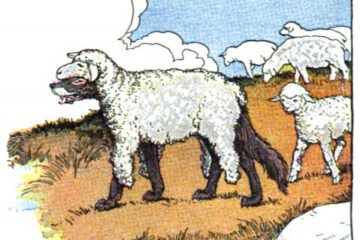
In this article, we introduce the concept of Organisationally Enforced Incongruence, Dressing the wolf of destructive behaviour, as a false, positive narrative.

This article discusses the concept of Self-Integrity, and how that relates to other concepts of personality and self-awareness.

This article explores Carl Rogers’ 19 propositions of understanding of human behaviour, each proposition is examined, criticisms explored.

Snygg and Combs’ phenomenal field theory, outlined in Individual Behaviour: A New Frame of Reference for Psychology (1949), posits that all behaviour is completely determined by the individual’s phenomenal field, which they described as the individuals total subjective awareness of reality, including perceptions, feelings, thoughts, and values.