Contents
- 1 Genetic Lineage and Ancestral Terror
- 1.1 Human Genetic Lineage and our Human Symbolic Interface
- 1.2 Mesopotamian Misinterpretation of the Interface?
- 1.3 Ancestral Echoes in Medieval Minds
- 1.4 Horned Demons and the Devil’s Form
- 1.5 Cultural Outcomes and Lasting Symbols
- 1.6 Inherited Symbolic Interface
- 1.7 Psychological and Epigenetic Evidence
- 1.8 Implications for Self-Awareness
- 1.9 Further Reading
Genetic Lineage and Ancestral Terror
If you think about the vast evolutionary history covered by our own genetic story. You might like to think about this: Sitting in the symbolic interface of our DNA, may be the memory of our greatest fear. That is, the biggest, most scary thing, the entire stack of memories and genetic imprints that our DNA may hold?
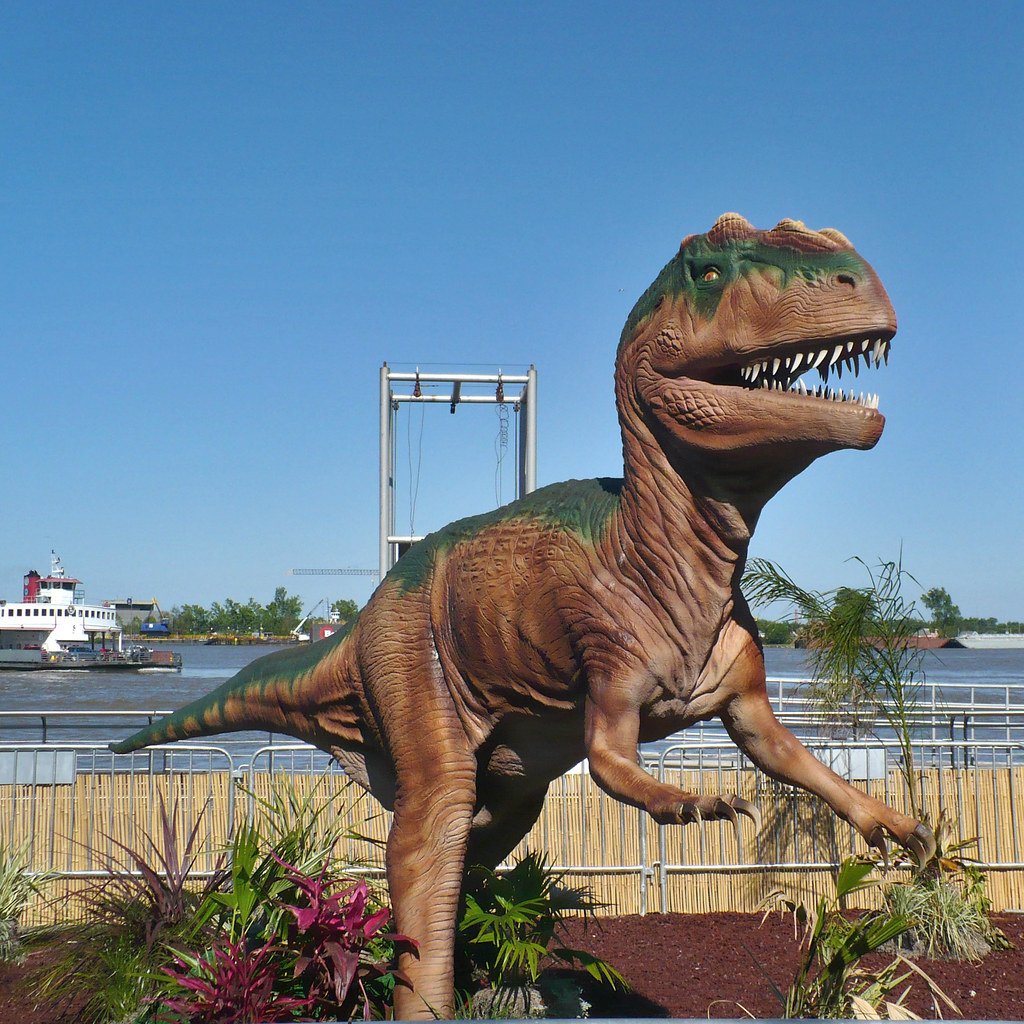
Try to imagine how our symbolic connection to that bit of pre-verbal, animalistic DNA might look? Would it be just a big picture of a dinosaur, with a symbol to run?
Imagine then, those Mesopotamians, connecting to, and misunderstanding that interface. What might some of their gods have looked like?
Human Genetic Lineage and our Human Symbolic Interface
Within the Theory of DNA-Self, and it’s concept of the Human Symbolic Interface, we propose that pre-verbal, and pre-literate connections to DNA-Originated self-regulation and other survival and growth autonomic functions. We suggest that these can be understood and adjusted, through a metacognitive function that we call the symbolic interface. This allows for a model of self understanding that allows for improved self understanding and regulation, by interaction with this intuitive, imaginative and adaptive symbolic interface.
Symbolic Interfacing
This interface works by intuitively attempting to match and highlight genetically recognised potential threats and opportunities with, “real world”, and “currently understood” concepts and understudying’s within the conscious layer of the mind. We see this as occurring via a subconscious bridging function, which places “hooks” in the perceived outside world, these include synchronicities, and other intuitive second looks and noticing’s, some of which will be such dinosaur based panic alerts.
Our human genetic lineage may well carry echoes of prehistoric encounters with massive dinosaurs, the most terrifying collective sight for early ancestors, for example. These may be still encoded through epigenetic markers of trauma that alter gene expression across generations.
This “symbolic connection to that original DNA-Originated coping function” manifests not as a literal photograph but as an archetypal image in the collective unconscious; a primal shadow of overwhelming scale, predatory power, and raw chaos, blending fear with awe. observedimpulse
Visualizing the Archetypal Dinosaur Symbol
This inherited symbol may appear as a colossal, long-necked saurian beast with serpentine body, jagged teeth, armoured scales, and thunderous presence, evoking both destruction and ancient vitality rather than a static picture. This DNA-linked motif transcends direct memory, emerging in myths as fire-breathing dragons or hybrid monsters, symbolizing the untamed forces our lineage survived. creation
Mesopotamian Misinterpretation of the Interface?
Mesopotamians, accessing this deep ancestral interface through dreams, visions, or shamanic states, perhaps misunderstood this dinosaur originated archetype as divine chaos entities, transforming biological terror into cosmic primordial energies. Lacking paleontological context, they may have anthropomorphized and hybridized these archetypical characters, in more humanistic terms. Seeing, not extinct reptiles but eternal sea-born monsters threatening order, as well as helping to enforce it? facebook
Resulting Gods and Hybrid Deities
This means that their concepts of gods may have emerged from memories, connecting resulting genetic developments with these as some kind of perceived source entity? Emerging with other animalistic human hybrid symbolisations, as dragon-like hybrids: Tiamat, for example, the multi-headed saltwater chaos dragon slain by Marduk to form the world, embodying the dinosaur’s watery abyss origins.
Anzû, the lion-headed eagle breathing fire and water, and the Babylonian Sirrush; a horned, long-tailed dragon on Ishtar Gate, mirror dinosaur anatomy like sauropods or theropods, guarding temples as protective yet fearsome powers. Lamassu and other theriomorphic deities fused these traits with bulls or lions, birthing a pantheon where ancestral dread became sacred symbols of creation, fertility, and cosmic battle. genesispark
Ancestral Echoes in Medieval Minds
Take this story to the much later medieval people, in a pre-literate era reliant on oral tales and visions, they too may have mysteriously tapped into the same genetic lineage’s dinosaur archetype, simplifying the colossal terror into perhaps tales of giants, some with horns, roaming misty landscapes such as Yorkshire’s rugged moors. This collective unconscious interface, amplified by epigenetic trauma echoes, may have morphed ancient saurian dread into localized folklore of earth-shaking monsters, blending awe with demonic peril, via some shared commonality in those symbolically laced dreams and other, shared, personal revelations and terrors? creation
Simplified Tales of Giant Horned Creatures
Perhaps we can see, even in some religions, a re-literate simplification stripped nuances, yielding yarns of massive, horned behemoths; ceratopsian echoes like Triceratops, carving Yorkshire’s valleys such as those of mythical Yorkshire, with thunderous steps, leaving petrified footprints or ridges as “the devil’s work.”
Giants like Gogmagog or the Biblical leviathan/behemoth fused dinosaur scales into fire-spouting wyrms, slain by knights, symbolizing humanity’s triumph over primordial chaos in ballad form. genesispark
Horned Demons and the Devil’s Form
Some beasts may have become devolved into outright devilish figures: horned, clawed dragons with saurian tails patrolling barrows or fells, equated to Satan in Christianized lore, their roars becoming hellish howls in sermons. Yorkshire’s “dragon stones” or Barghest hounds preserved theropod ferocity as spectral guardians, while broader Europe birthed horned devils from Cerberus-like hybrids, channelling a genetic-originated terror into moral warnings against sin. yorku
Cultural Outcomes and Lasting Symbols
These connections may have birthed cathedrals etched with wyverns, saints battling serpents, and mappae mundi framing the world with encircling dragons as simplified guardians of the unknown. The Devil himself, often red-scaled and horned, internalized ancestral survival instinct as temptation’s face, ensuring the DNA-Originated panic impulse of those internalised visions roar, echoing through morality plays and heraldry for centuries. recovatry
Inherited Symbolic Interface
DNA-Self Theory suggests that modern humans have inherited this potential “symbolic interface mess” from ancestral genetic lineage, where dinosaur terror embeds as epigenetic markers and Jungian archetypes, surfacing in dreams, media, and phobias without conscious memory. observedimpulse
Manifestations in Contemporary Culture
This legacy can be seen in blockbuster films like Jurassic Park, evoking primal awe-fear responses, or dragon motifs in fantasy like Game of Thrones, simplifying ancient chaos into epic battles mirroring Marduk vs. Tiamat. Horned devils persist in Halloween icons and heavy metal art, while pterosaur shadows haunt aviation anxieties or UFO sightings, blending saurian silhouettes with extra-terrestrial dread. recovatry
Psychological and Epigenetic Evidence
Epigenetic studies show trauma alters DNA expression across generations, potentially encoding dinosaur-scale survival instincts as irrational reptilian fears or thrill-seeking in extreme sports. Collective unconscious amplifies this into global symbols; the leviathans in conspiracy theories or kaiju in anime, potentially messily interfacing biology with culture, urging confrontation for personal growth. nationalgeographic
Implications for Self-Awareness
Recognizing this inheritance can help us to transform existential dread into metacognitive insight, integrating the “mess” via therapy or creative expression to reclaim ancestral resilience rather than demonizing it as mere superstition. gettherapybirmingham
Further Reading
https://www.observedimpulse.com/2025/09/prehistoric-brains-after-trauma-could.html
https://recovatry.com/dragon-archetypes-jungian-analysis/
https://www.nationalgeographic.com/premium/article/trauma-genes-inherit-epigenetics-methylation
https://gettherapybirmingham.com/the-psychology-of-the-dragon-archetype/
https://creation.com/en/articles/mesopotamian-monsters-in-paris
https://genesispark.com/exhibits/historical-evidence/ancient-dinosaur-depictions/
https://www.yorku.ca/earmstro/glasgow/The_Dragon_as_an_Archetype.doc
https://creation.com/en/articles/mesopotamian-monsters-in-paris
https://genesispark.com/exhibits/historical-evidence/ancient-dinosaur-depictions/
https://www.nationalgeographic.com/premium/article/trauma-genes-inherit-epigenetics-methylation
https://www.yorku.ca/earmstro/glasgow/The_Dragon_as_an_Archetype.doc
https://recovatry.com/dragon-archetypes-jungian-analysis/
https://gettherapybirmingham.com/the-psychology-of-the-dragon-archetype/
https://creation.com/en/articles/dinosaur-artifacts
https://www.facebook.com/groups/archeologyandcivilizations/posts/3455894057837427/
https://www.observedimpulse.com/2025/09/prehistoric-brains-after-trauma-could.html
https://www.yorku.ca/earmstro/glasgow/The_Dragon_as_an_Archetype.doc
https://recovatry.com/dragon-archetypes-jungian-analysis/
https://www.nationalgeographic.com/premium/article/trauma-genes-inherit-epigenetics-methylation
https://creation.com/en/articles/mesopotamian-monsters-in-paris
https://genesispark.com/exhibits/historical-evidence/ancient-dinosaur-depictions/
https://gettherapybirmingham.com/the-psychology-of-the-dragon-archetype/
https://www.facebook.com/groups/archeologyandcivilizations/posts/3455894057837427/
https://en.wikipedia.org/wiki/Anz%C3%BB
https://www.thearchaeologist.org/blog/the-worship-of-tiamat-the-babylonian-chaos-dragon
https://storytellingdb.com/tiamat-mesopotamian-mythology/
https://portal.amelica.org/ameli/journal/82/82645002/html/index.html
https://en.wikipedia.org/wiki/Lamassu
https://www.youtube.com/watch?v=0iDbcaW0u84
https://africame.factsanddetails.com/article/entry-1010.html
https://journals.sagepub.com/doi/10.1177/03090892231210890
https://journals.sagepub.com/doi/10.1177/0951820709354807
https://www.semanticscholar.org/paper/f7c2c6839e669dbdc71cb2633cd530a37f7148b1
https://www.semanticscholar.org/paper/ce0c0d9deaeb69658e76c06f101ac82e5881d241
https://www.semanticscholar.org/paper/9e9f5eb4efe444ec237c38877f30d097aedaaace
https://brill.com/view/journals/scri/3/1/article-p364_16.xml
https://www.semanticscholar.org/paper/72547c100dab3d1bcc52113f45853329a5b85413
https://www.tandfonline.com/doi/abs/10.1080/00155870701621889
https://www.cambridge.org/core/product/identifier/S0003598X00082132/type/journal_article
https://www.semanticscholar.org/paper/6a7b7b42f02422cde1b27f2e25df6be862aff14a
https://lijas.journals.ekb.eg/article_400930_b176578d6327aacebb58e8051455b8be.pdf
https://zenodo.org/record/2342881/files/article.pdf
https://www.mdpi.com/2076-0752/11/6/120/pdf?version=1669631887
https://journals.sagepub.com/doi/pdf/10.1177/03075133241297656
https://revistas.ucm.es/index.php/EIKO/article/download/73338/4564456555289
https://www.mdpi.com/2571-9408/7/1/1/pdf?version=1703000657
https://www.reddit.com/r/INTP/comments/s5oqeq/we_have_authentic_historical_art_that_shows/
https://creation.com/en/articles/dinosaur-artifacts