
Self-Values
What is Self-Esteem?
Self-esteem is how a person sees and feels about themselves overall – their sense of “I’m okay and I have value” (or not).
Self-esteem is how a person sees and feels about themselves overall – their sense of “I’m okay and I have value” (or not).

Esteem needs are the human needs to feel “I matter and I’m capable,” both in one’s own eyes and in the eyes of others.
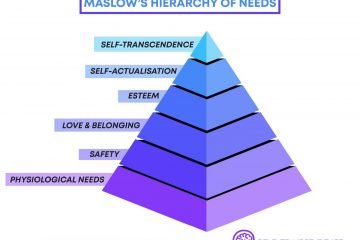
This is a way of explaining what people tend to seek in life, from basic survival all the way up to growth and purpose.
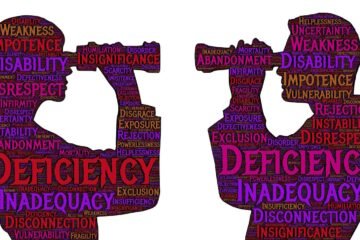
Feelings of inadequacy are the internal story that you are “less than.” They feel very real, but they are stories learned from experience and comparison and not fixed facts about who you are.

Comparison is a built‑in tool for understanding yourself, but it becomes toxic when you treat “being above others” as the only way to matter. Uniqueness comes more from living your own values than from winning someone else’s scoreboard.

Self-worth Self-worth is the quiet belief that, simply by being human, you have value. It is not about what you earn, achieve, look like, or how perfect you are. It is the deep sense that “I matter,” even on bad…

In this article, we will look at masks in relation to human psychology as made popular by Erving Goffman, and how they apply to the ego.

The concept of the Self-Police Parade, as referenced by Robert Calvert, the lyricist and vocalist of the band Hawkwind, is a thought-provoking metaphor that reflects on societal control and the resultant self-regulation of the individual.
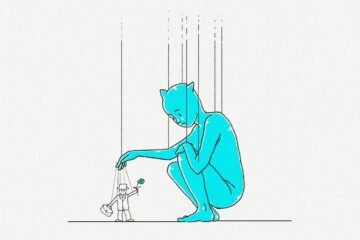
The concepts of social control, manipulation, and brainwashing have rich histories and are intertwined with various social, psychological, and political theories.
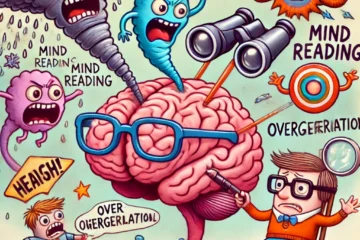
Cognitive distortions refer to irrational or biased ways of thinking that can negatively affect our emotions and behaviours.