Existentialism
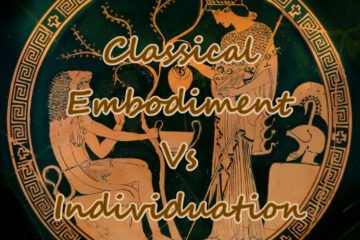
Classical Embodiment Vs Individuation
In Jungian terms, a deep, embodied relationship with a deity‑image could be seen as conscious ego and archetype entering into dialogue
In Jungian terms, a deep, embodied relationship with a deity‑image could be seen as conscious ego and archetype entering into dialogue
Wellbeing is a multidimensional concept that encompasses various aspects of human flourishing, such as happiness, meaning, satisfaction, and health. Self-transcendence is a psychological state that involves going beyond one’s personal boundaries and ego, and connecting with something greater than oneself, such as nature, humanity, spirituality, or a higher purpose.

Gratitude is the simple practice of noticing what’s good and letting yourself feel glad about it. Regular gratitude makes people feel happier, less stressed,

Environmental safety needs are the things people require in their surroundings so they can live, work, and move without constant danger.
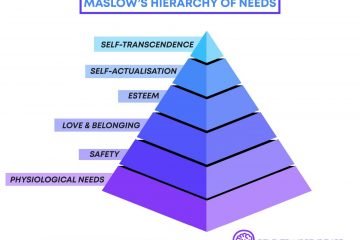
This is a way of explaining what people tend to seek in life, from basic survival all the way up to growth and purpose.

Creativity is using what you have – your mind, body, materials, and experiences—to make something that wasn’t there before. It lets your inner world take shape outside you, and that is good for mental health, identity, and simple, human joy.

Achievement culture is a way of living or working where success, results, and constant improvement are treated as the main measure of a person’s worth.

The dual-mask system, part of the Theory of the DNA-Self could also explain the concept of life positions, as described in transactional analysis.

Unconditional positive regard serves as a key element in Carl Rogers’ person-centred therapy.

The concept of the Window of Tolerance was introduced by Dan Siegel, a clinical professor of psychiatry. This idea describes the optimal zone of arousal where a person can effectively manage their emotions and respond to stress.