
Organismic Self
Person-centred therapeutic theory
This article describes Carl Rogers’ person-centred therapeutic theory and looks at the factors for its success in modern therapy.
This article describes Carl Rogers’ person-centred therapeutic theory and looks at the factors for its success in modern therapy.

Defence strategies are often a form of maladaptive coping response, aimed at pushing a childhood self-blame onto others.

Human feelings are the inner experiences that tell a person how life is going for them right now, like a built‑in signal system.
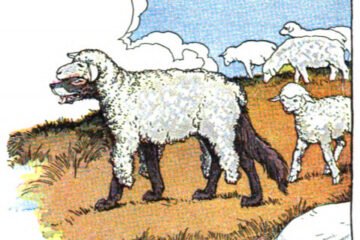
In this article, we introduce the concept of Organisationally Enforced Incongruence, Dressing the wolf of destructive behaviour, as a false, positive narrative.

Carl Rogers’ phenomenological theory of personality and behaviour forms the core of his person-centred approach, viewing the individual’s subjective “phenomenal field”, as the primary determinant of behaviour and growth.

Almost all children suffer a sustained and often targeted string of traumatic micro, and macro-aggressions, from the moment they are born.

Critical thinking is an essential concept that refers to the self-guided, self-disciplined thinking that aims to reason at the highest level of quality in a fair-minded way. In this article we will look at the origins and influencers of the critical approach, and maps out the important foundations to this life changing system of thinking.

The concept of “organisational incongruence” is a fascinating parallel to Carl Rogers’ theory of incongruence in individuals. Let’s break down the similarities and differences:

In this article, we will explore what these stages are, how they relate to each other, and what they imply for counselling practice and research.